Order: Anseriformes, Family: Anatidae
Mallard (Intergrade/Domestic hybrid)
Anas platyrhynchos
A medium-sized dabbling duck with a robust body, characteristic duck bill, and mottled plumage combining wild-type and domestic traits.
Explore Mallard (Intergrade/Domestic hybrid) in the encyclopedia →Identify your own birds.
Get a report just like this from any photo or call, free.
Plumage & appearance
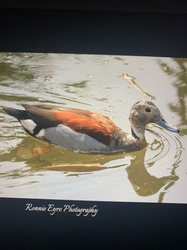
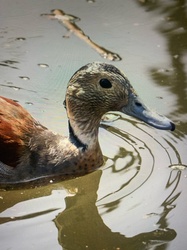
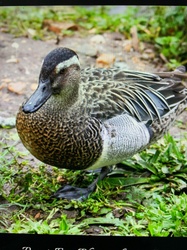
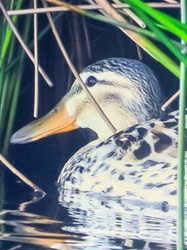
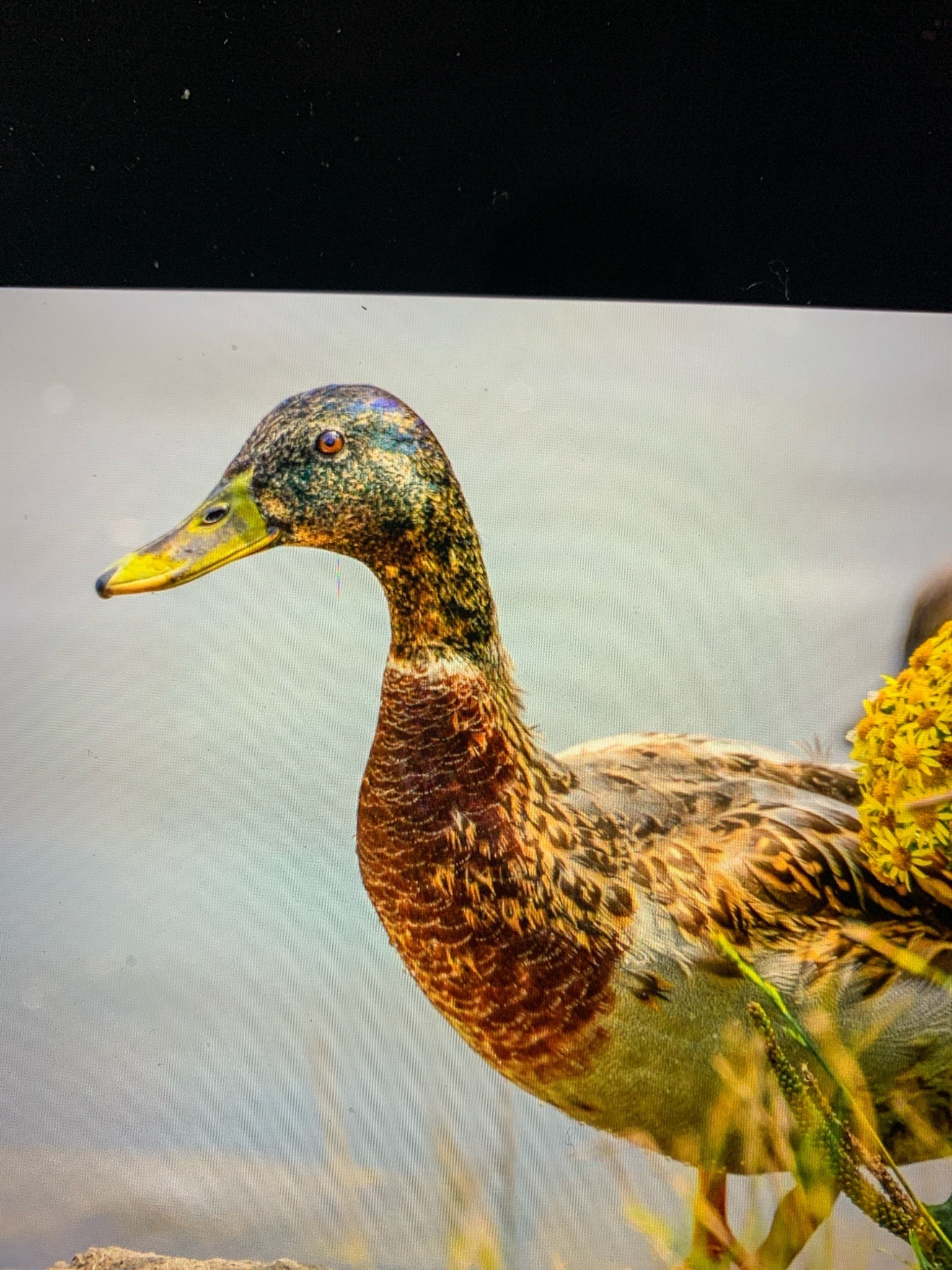
This individual shows atypical plumage suggestive of a Mallard-domestic cross or an intergrade, featuring mottled brown, buff, and greenish head sheens rather than the standard glossy green head of a wild male Mallard.
Key field marks
Stocky build, typical duck bill shape, and variable mottled brown and greenish head markings distinguishing this specific individual from a standard wild drake.
Size & weight
Length: 50-65 cm, Wingspan: 81-95 cm, Weight: 700-1600 g.
Voice — call & song
Females produce the classic loud, descending quack; males produce quieter, muffled, reedy drones or whistles.
Diet & foraging
Omnivorous; feeds on plant materials, seeds, roots, insects, small fish, and amphibians by dabbling or grazing on land.
Habitat
Found in a wide variety of wetlands including lakes, rivers, ponds, marshes, and urban parks.
Migration & movement
Northern populations are migratory, moving south for winter; temperate populations are largely resident.
Nesting & breeding
Ground nesters, usually placing the nest on the ground hidden in vegetation near water. Clutch size ranges from 8 to 13 eggs.
Similar species
Other dabbling ducks such as American Black Duck, Northern Pintail, and various domestic duck breeds.
Ecological significance
Acts as both seed disperser and prey species in wetland ecosystems, though introduced populations can compete with native waterfowl and hybridize with declining native duck species.
Conservation status
Least Concern (Global population is extremely large and stable).
Observation tips
Easily found in almost any urban or rural freshwater body, often approaching humans for food.
Interesting facts
Mallards are the ancestors of almost all domestic duck breeds (except the Muscovy duck) and frequently hybridize with other duck species in the wild.
More like this