Order: Passeriformes, Family: Fringillidae
House Finch
Haemorhous mexicanus
A small, stocky finch with a slightly rounded head, short wings, and a relatively long, notched tail. Known for social behavior and gathering in flocks.
Explore House Finch in the encyclopedia →Identify your own birds.
Get a report just like this from any photo or call, free.
Plumage & appearance
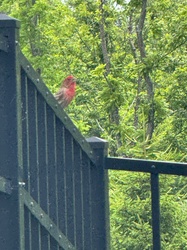
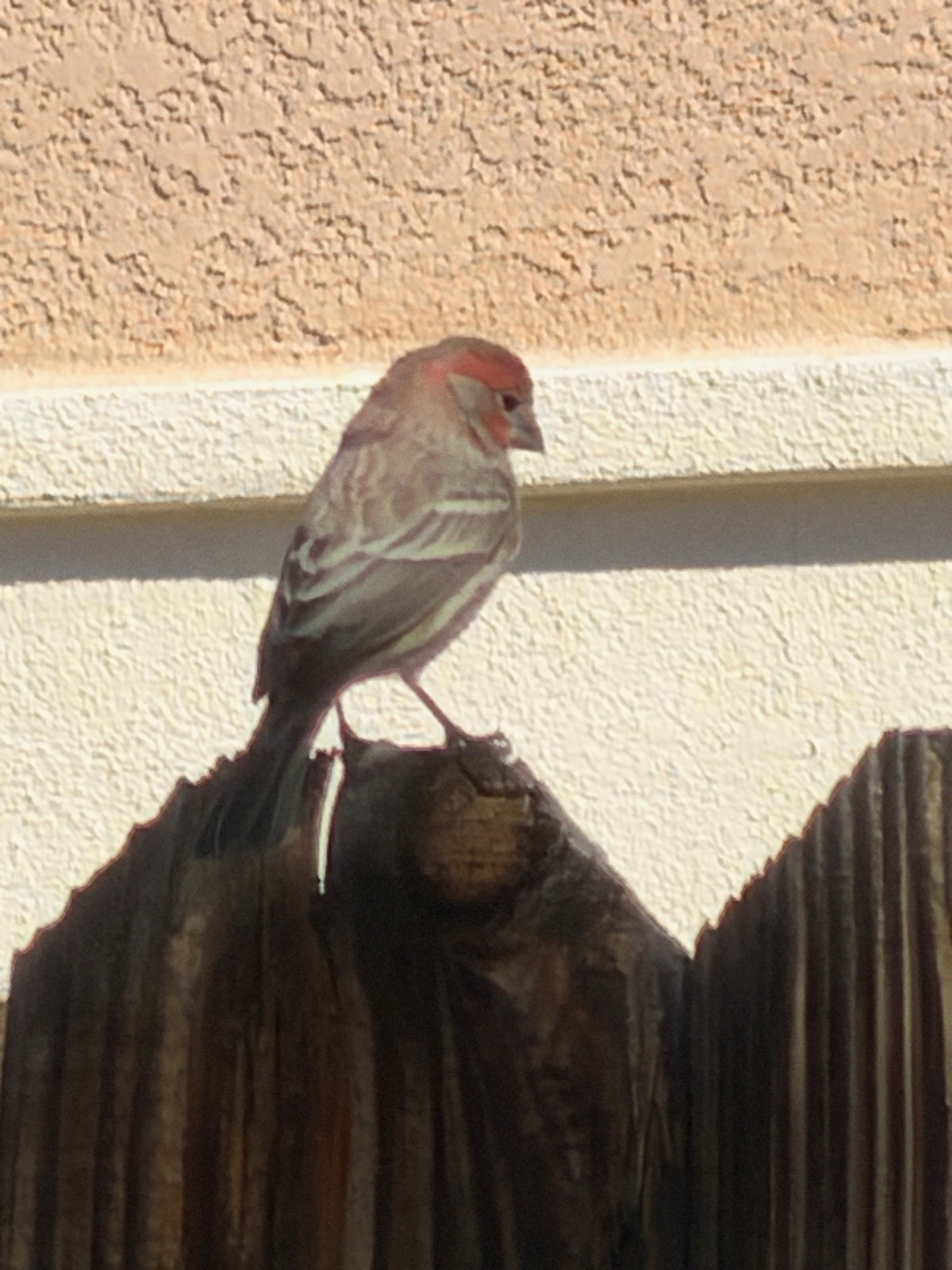
Adult males have red or orange-red coloration on the head, breast, and rump, with brownish-gray wings and tail, and a streaked belly. Females lack the red color entirely, displaying grayish-brown plumage with prominent brown streaks below and a plain face.
Key field marks
Conical bill, bright red coloration on the head and breast (in males), and heavy streaks on the lower belly and flanks.
Size & weight
Length: 13-14 cm (5.1-5.5 inches), Wingspan: 20-25 cm (7.9-9.8 inches), Weight: 16-27 g (0.6-1.0 oz)
Voice — call & song
Call is a sharp, musical 'whit' note. The song is a rapid, cheerful, jumbled warble ending in a downward slur.
Diet & foraging
Primarily vegetarian, feeding on seeds, buds, and berries. They also eat insects occasionally, especially during the breeding season.
Habitat
Urban and suburban areas, farms, forest edges, chaparral, and deserts. Strongly associated with human habitation.
Migration & movement
Generally a permanent resident, though northern populations may make short-distance southward movements in winter.
Nesting & breeding
Builds cup-shaped nests in a wide variety of locations, including trees, cacti, ledges, hanging planters, and building vents. Clutch size is typically 2-6 pale bluish-green eggs with dark spots.
Similar species
Purple Finch and Cassin's Finch. House Finches are distinguished by a less sharply defined red crown, browner back, and more heavily streaked flanks.
Ecological significance
Acts as a seed disperser and a food source for various predators; however, they can occasionally be considered agricultural pests when feeding on fruit crops.
Conservation status
Least Concern, with a stable or increasing population trend.
Observation tips
Easily found at backyard bird feeders offering sunflower seeds or nyjer. Listen for their prolonged, warbling songs delivered from high perches.
Interesting facts
The red coloration in male House Finches comes from carotenoid pigments in their diet; brighter red males are often preferred by females during mate selection.
More like this