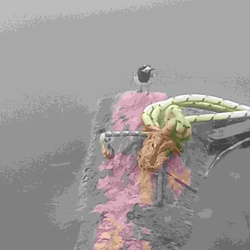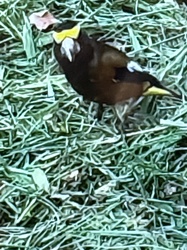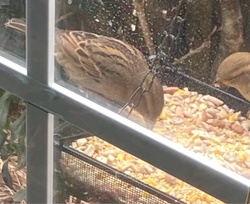
Order: Passeriformes, Family: Motacillidae
Grey Wagtail
Motacilla cinerea
A slender, graceful bird with an exceptionally long, constantly wagging tail. Features a grey back, yellow underparts, and quick, darting movements near water.
Explore Grey Wagtail in the encyclopedia →Identify your own birds.
Get a report just like this from any photo or call, free.
Plumage & appearance
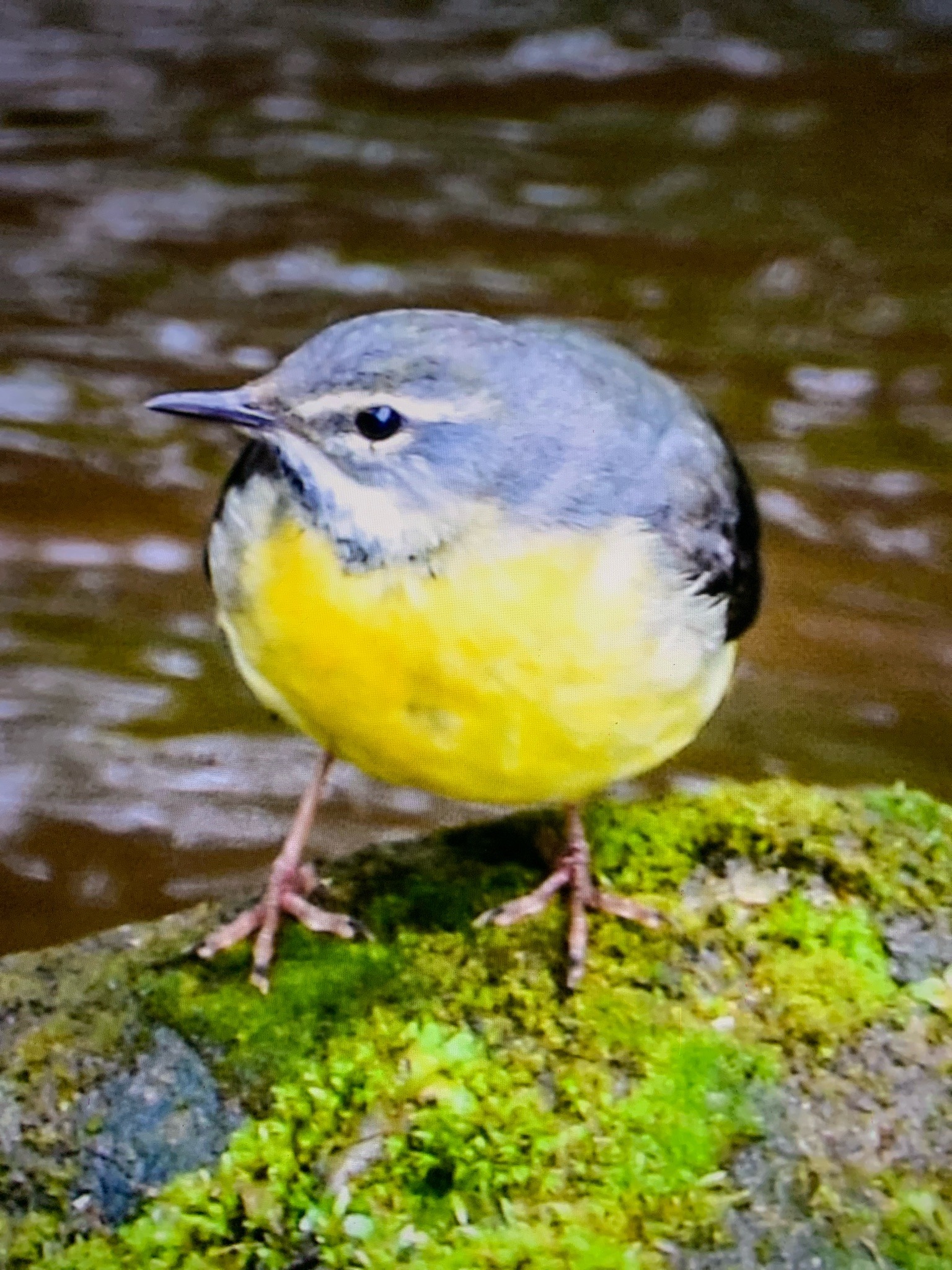
Adult males in breeding plumage have a grey head and back, a bright yellow throat and underparts, a distinctive white supercilium, and a black throat patch. Females are similar but often have a paler yellow throat and less distinct black. Non-breeding adults and juveniles are duller with whitish throats.
Key field marks
Extremely long tail (constantly wagging up and down), grey head and back, bright yellow underparts, white eyebrow stripe, and thin dark bill.
Size & weight
Length: 18-20 cm (including the long tail), Wingspan: 25-27 cm, Weight: 14-22 g
Voice — call & song
A sharp, metallic, ringing 'tsewiz' or 'chizz-chizz' call, often repeated in flight. The song is a high-pitched, short twittering warble.
Diet & foraging
Mainly insects and other small invertebrates (such as flies, beetles, and midges) caught by flycatching from rocks, running along the ground, or picking from water surfaces.
Habitat
Fast-flowing streams, rivers, rocky mountain streams, and occasionally near lakes or reservoirs, especially in hilly or mountainous areas.
Migration & movement
Partial migrant. Populations in northern and eastern parts of its range are strongly migratory, whereas western and southern European populations are mostly resident.
Nesting & breeding
Builds a neat cup nest of moss, grass, and roots lined with hair or wool, placed in a crevice, rock cavity, bridge abutment, or riverbank. Clutch size is typically 3-6 eggs, bred from April to July with up to two broods per year.
Similar species
Yellow Wagtail (Motacilla flava), which has a shorter tail, prefers damp lowland meadows rather than rocky fast-flowing streams, and lacks the grey upperparts and throat patch combination.
Ecological significance
Acts as an important bioindicator of freshwater ecosystem health and helps control aquatic and terrestrial insect populations.
Conservation status
Least Concern, with a stable population trend.
Observation tips
Look along fast-flowing streams, rivers, and waterfalls. Walk slowly and patiently, as they often perch on rocks or concrete banks before flying off in an undulating pattern while calling.
Interesting facts
Despite being called the Grey Wagtail, it is perhaps most striking for its brilliant yellow underparts and remarkably long tail, which it pumps almost continuously to maintain balance and signal to predators.
More like this