Order: Passeriformes; Family: Motacillidae
White Wagtail
Motacilla alba
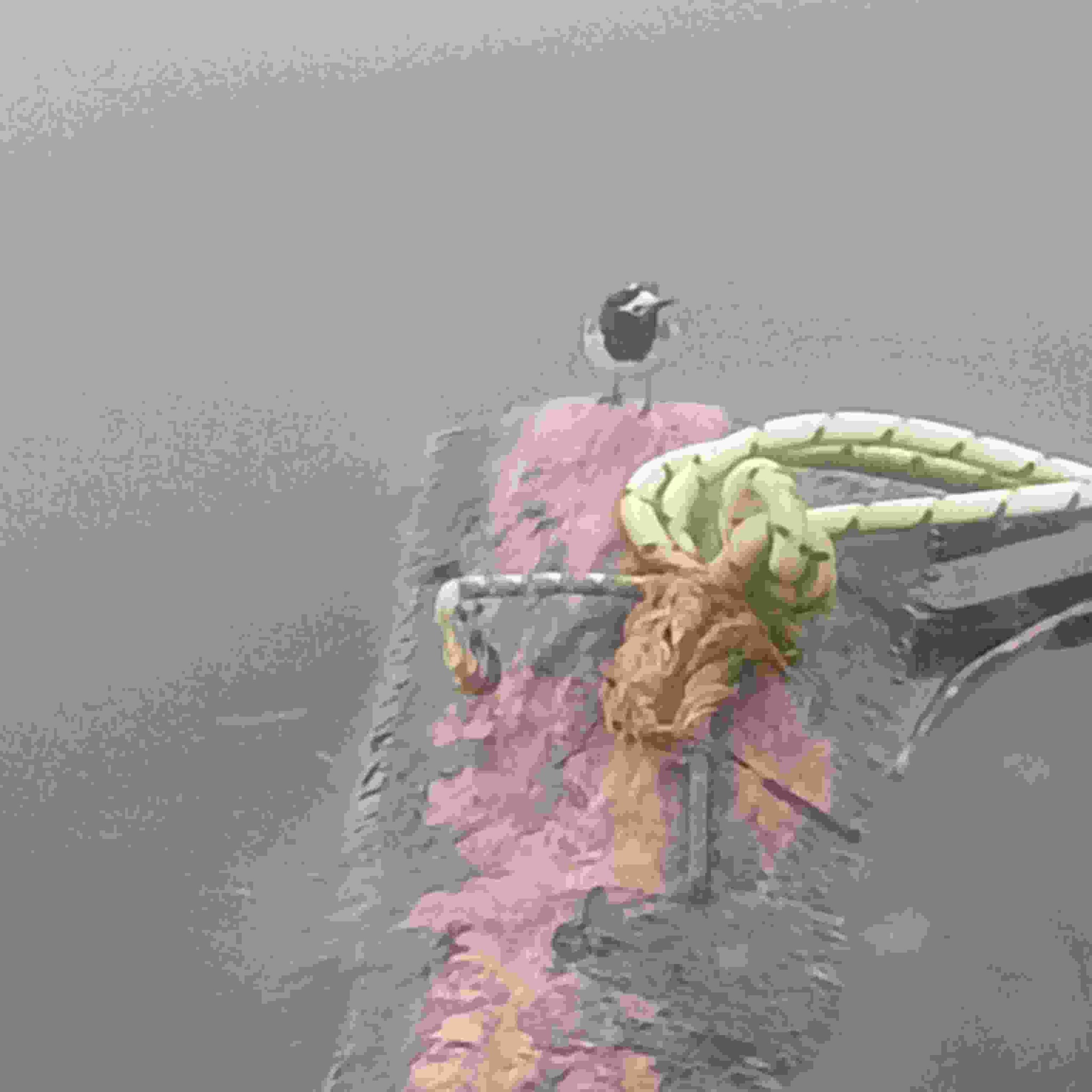
A slender, elegant bird known for its constant tail-wagging. It walks and runs gracefully on the ground rather than hopping.
Explore White Wagtail in the encyclopedia →Identify your own birds.
Get a report just like this from any photo or call, free.
Plumage & appearance
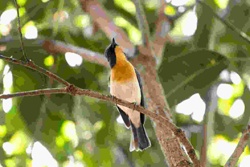
Striking black, white, and grey plumage. Breeding males have a black crown, nape, and bib with a white face. Females and non-breeding adults have more grey on the crown and a smaller bib.
Key field marks
Long, constantly wagging tail; black-and-white face pattern; grey back; white underparts; undulating flight pattern.
Size & weight
Length: 16.5-19 cm; Wingspan: 25-30 cm; Weight: 18-25 g
Voice — call & song
A sharp, rhythmic "chissick" or "psit" call; the song is a series of chirping notes and variations of the call.
Diet & foraging
Primarily insects, including flies, beetles, and dragonflies; occasionally eats small seeds and crustaceans.
Habitat
Open country, often near water, such as riverbanks, lakeshores, and coastal areas; also common in urban spaces and farmland.
Migration & movement
Highly migratory in the north; resident or partial migrant in milder temperate climates.
Nesting & breeding
Nests in crevices in rocks, walls, or under bridges. Lays 3-8 eggs. The nest is a cup of grass, moss, and hair.
Similar species
Pied Wagtail (M. a. yarrellii) which has a much darker/blacker back; Citrine Wagtail which has yellow on the head and underparts.
Ecological significance
Acts as an insect controller by feeding on a variety of terrestrial and aquatic invertebrates.
Conservation status
Least Concern (IUCN); Population is stable.
Observation tips
Look for them near water or in open areas like car parks and fields; they are often seen running after insects and frequently wagging their long tails.
Interesting facts
In some cultures, they are seen as symbols of spring. They are incredibly bold and have adapted very well to human-modified environments like cities.
More like this