
Order Passeriformes, Family Icteridae
Red-winged Blackbird
Agelaius phoeniceus
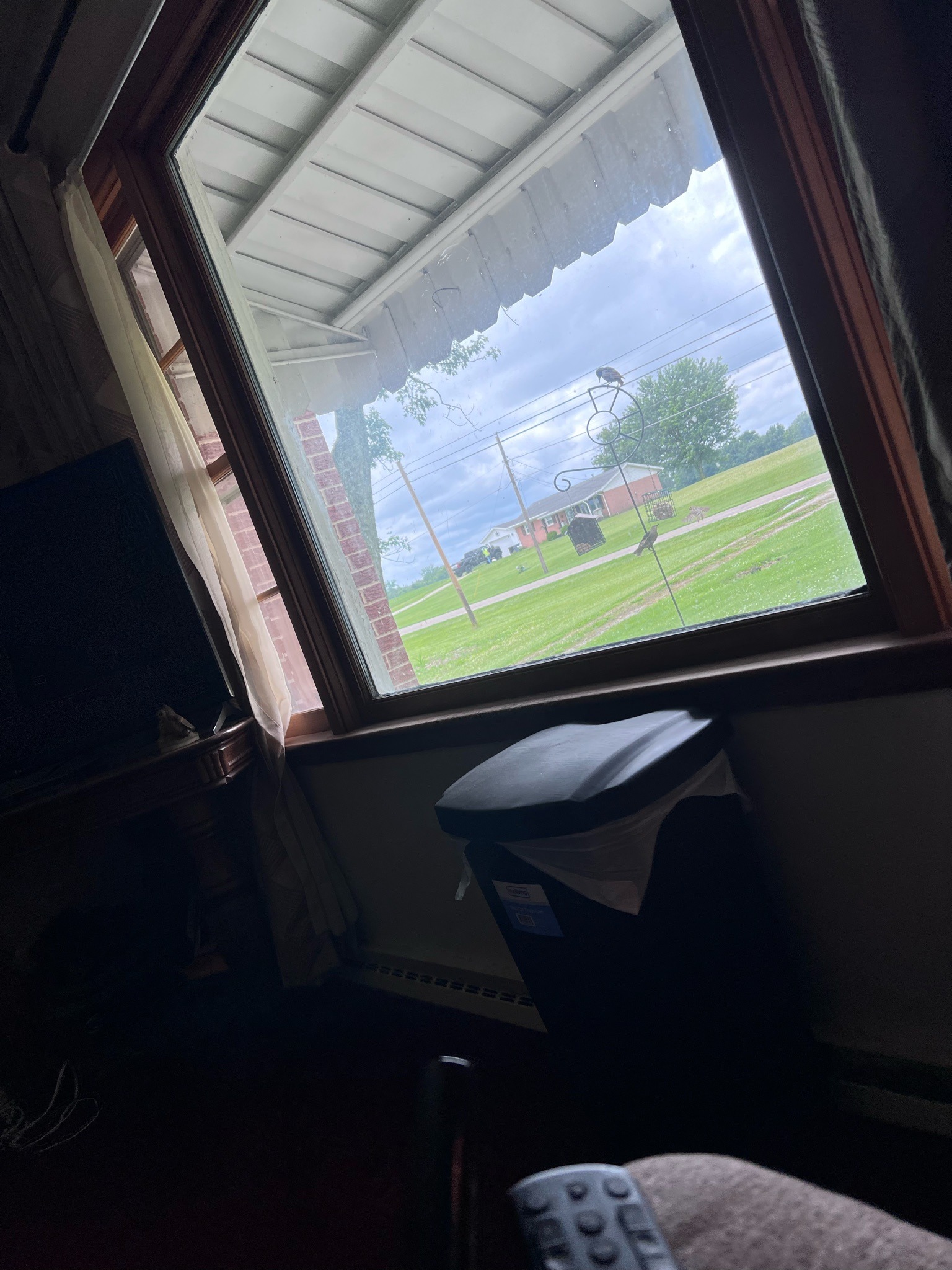
A stocky, medium-sized songbird commonly perched high on reeds, fences, or feeder poles. Known for its assertive behavior and bold display of brilliant red shoulder patches during vocalizations.
Explore Red-winged Blackbird in the encyclopedia →Identify your own birds.
Get a report just like this from any photo or call, free.
Plumage & appearance
Adult males feature glossy jet-black plumage highlighted by bright red shoulder patches (epaulets) bordered in yellow, which can be hidden or exposed. Females are heavily streaked in brown and cream, resembling a large sparrow with a whitish eyestripe.
Key field marks
Male: Glossy black overall with red and yellow shoulder epaulets. Female: Heavy brown streaking, sharp bill, whitish supercillium.
Size & weight
Length: 17–24 cm (6.7–9.4 in), Wingspan: 31–40 cm (12–16 in), Weight: 41–65 g (1.4–2.3 oz).
Voice — call & song
A loud, distinctive 'conk-la-ree!' song delivered by males, alongside sharp 'check' alarm calls.
Diet & foraging
Insects (beetles, caterpillars, grasshoppers) in summer; seeds, grain, and agricultural crops in autumn and winter.
Habitat
Wetlands, marshes, wet meadows, agricultural fields, pastures, and suburban edge habitats near water.
Migration & movement
Partial migrant; northern populations migrate south in winter, while southern populations remain resident year-round.
Nesting & breeding
Builds woven cup nests in dense marsh vegetation, shrubs, or tall grasses near water. Highly polygynous males defend territories containing up to 15 females.
Similar species
Tricolored Blackbird (has a white edge on red epaulets), Rusty Blackbird (paler eyes, less distinct streaking in females), Brewer's Blackbird (male has yellow eyes and lacks red patches).
Ecological significance
Controls insect populations during the breeding season and acts as an important seed disperser in wetland and agricultural habitats.
Conservation status
Least Concern (IUCN), highly abundant although long-term population counts show mild declines.
Observation tips
Look near wetlands, grassy fields, or backyard feeder poles during early morning. Males are easy to spot perched prominently and vocalizing.
Interesting facts
Males actively defend their nesting territories from intruding birds, animals, and even humans, frequently dive-bombing much larger creatures during breeding season.