Order: Accipitriformes, Family: Accipitridae
Yellow-billed Kite
Milvus aegyptius
A medium-sized raptor known for its incredible aerial agility and deeply forked tail. It is a bold, opportunistic feeder often found near human settlements.
Explore Yellow-billed Kite in the encyclopedia →Identify your own birds.
Get a report just like this from any photo or call, free.
Plumage & appearance
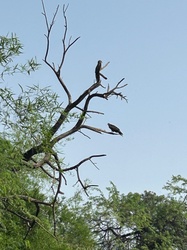
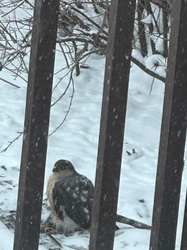
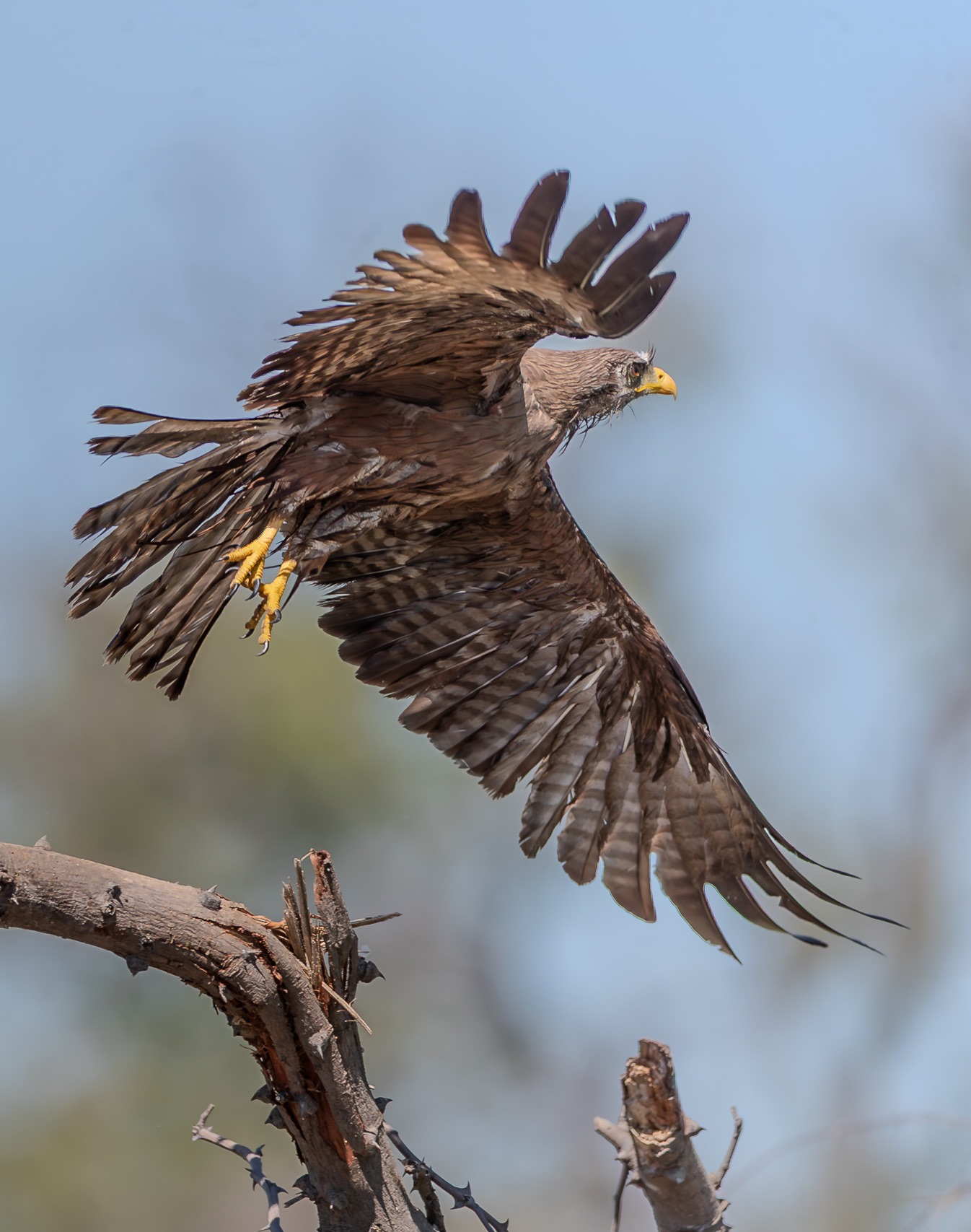
Adults have uniform brown plumage with a distinctive yellow bill and a dark eye. The tail is deeply forked and dark brown. Juveniles are streakier with a dark/blackish bill.
Key field marks
Distinctive all-yellow bill in adults, deeply forked tail, chestnut-brown plumage, and yellow legs.
Size & weight
Length: 48-60 cm; Wingspan: 140-155 cm; Weight: 600-950 g.
Voice — call & song
A loud, thin, wavering whinny: 'kreeee-errrr'.
Diet & foraging
Highly opportunistic; eats small mammals, birds, reptiles, insects, fish, and carrion. Often seen scavenging at rubbish tips.
Habitat
Wide range of habitats including woodland, savanna, grasslands, and urban areas; usually avoids dense forest and extreme desert.
Migration & movement
Intra-African migrant; populations move north and south within Africa to follow the rains and food availability.
Nesting & breeding
Builds a platform nest of sticks in a tree, often lined with dung and rags. Lays 2-3 eggs; both parents help raise the young. Breeding occurs mostly during the dry season.
Similar species
Black Kite (Milvus migrans) lacks the all-yellow bill and has a shallower tail fork.
Ecological significance
Acts as an important scavenger, helping to clean up carrion and waste, thereby controlling the spread of disease within its ecosystem.
Conservation status
Least Concern (IUCN), population generally stable and widespread.
Observation tips
Look for them circling overhead with constantly twisting tails used as rudders. They are common near water bodies and urban areas where food waste is available.
Interesting facts
They are master aerialists, capable of catching food in mid-air and even snatching food directly from the hands or plates of people in outdoor markets.
More like this