Order: Passeriformes, Family: Phylloscopidae
Wood Warbler
Phylloscopus sibilatrix
A small, active leaf-warbler with striking yellow and white underparts and a clear, piercing, coin-spinning song. Often found foraging in the canopy or mid-story of mature deciduous woodlands.
Explore Wood Warbler in the encyclopedia →Identify your own birds.
Get a report just like this from any photo or call, free.
Plumage & appearance
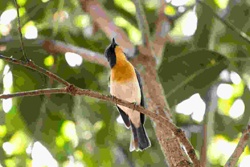
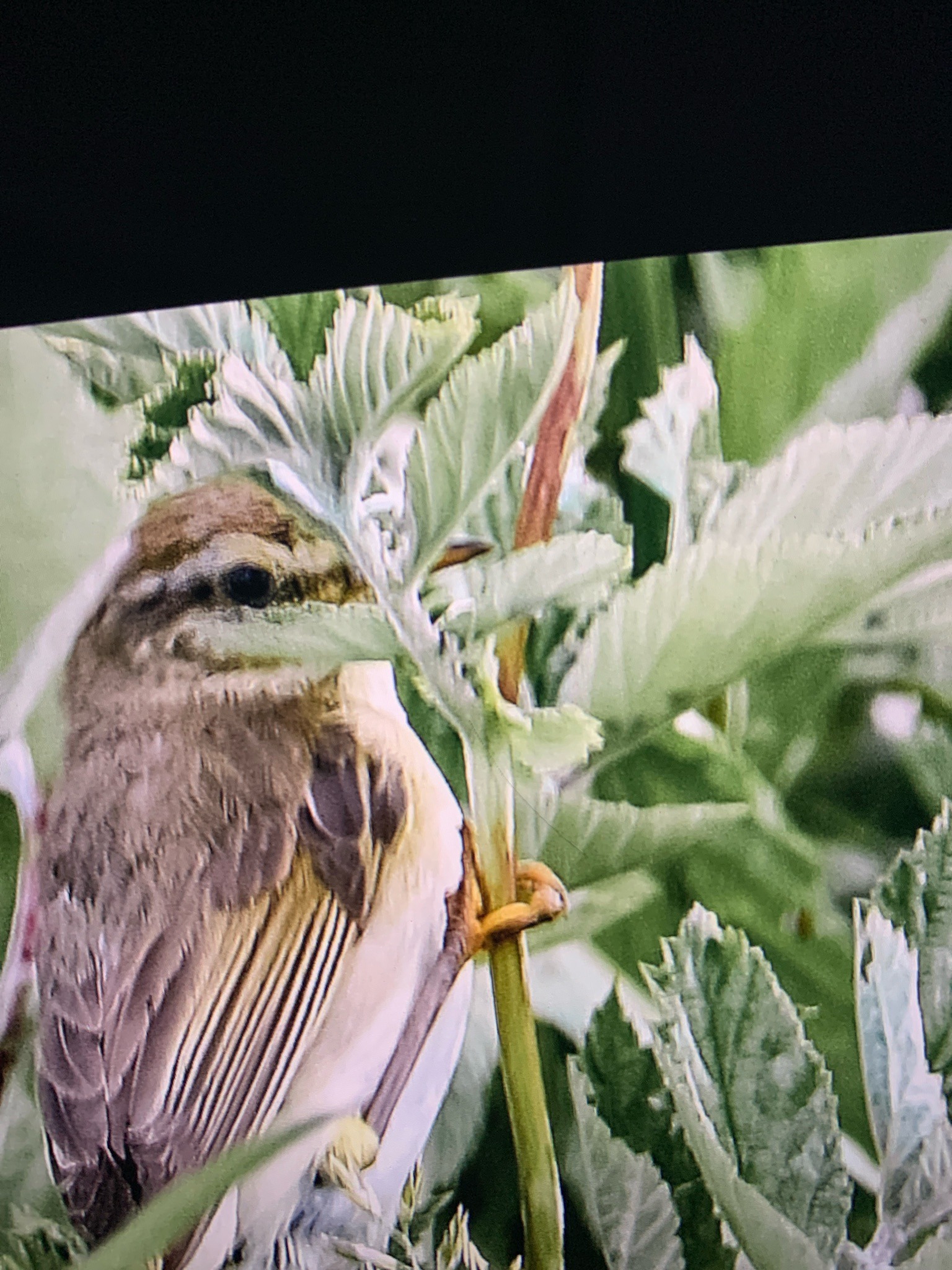
Bright lemon-yellow throat and upper breast, contrasting with a pure white belly. Upperparts are vibrant greenish-yellow. It features a distinct bright yellow supercilium (eyebrow stripe) above a dark eye line. Sexes are similar in plumage.
Key field marks
Bright yellow throat and breast, sharply contrasting white belly, long yellow supercilium, greenish upperparts, and relatively long wings.
Size & weight
Length: 11-13 cm, Wingspan: 20-24 cm, Weight: 8-12 g
Voice — call & song
Song is a high-pitched, metallic series of notes that accelerates into a shivering trill, accompanied by a plaintive 'tuu-tuu-tuu' call.
Diet & foraging
Insects and spiders, including caterpillars, aphids, and flies, gleaned from leaves and twigs, occasionally caught by brief aerial sallies.
Habitat
Mature, open deciduous or mixed forests with sparse undergrowth, particularly favoring beech and oak woodlands.
Migration & movement
Migratory, traveling long distances between European breeding grounds and African wintering quarters.
Nesting & breeding
Builds a domed, oven-like nest on the ground hidden in tall grass or ferns. Clutch size is typically 6-7 eggs. Incubated mainly by the female.
Similar species
Willow Warbler and Chiffchaff, but distinguished from both by its brighter yellow throat, whiter belly, distinct yellow supercilium, and larger size.
Ecological significance
Acts as an important predator of forest insects, helping to regulate insect populations and control pests in deciduous woodland ecosystems.
Conservation status
Least Concern, though populations have experienced declines in parts of its European range due to habitat fragmentation and changes in forestry practices.
Observation tips
Listen for its distinctive, accelerating trill that sounds like a spinning coin slowing down. Look up into the high canopy of mature beech or oak woods where they frequently forage.
Interesting facts
Unlike many other warblers that build cup-shaped nests in bushes or trees, the wood warbler specifically constructs a dome-shaped nest directly on the forest floor.
More like this