Order: Passeriformes, Family: Sittidae
Eurasian Nuthatch
Sitta europaea
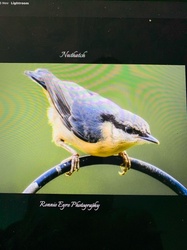
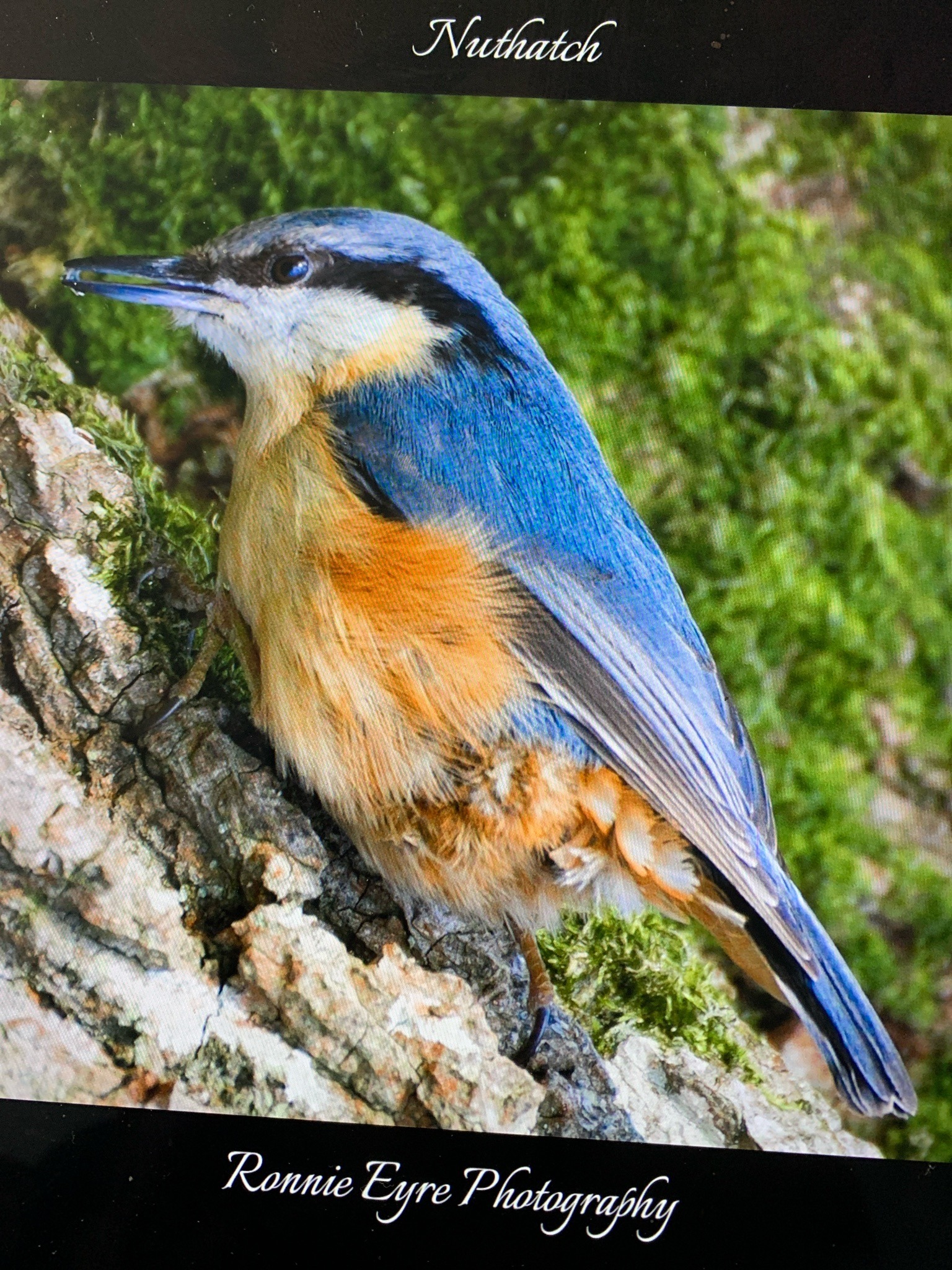
A compact, plump bird with a stout pointed bill, virtually no neck, and a short tail. Famously known for its ability to climb down tree trunks head-first.
Explore Eurasian Nuthatch in the encyclopedia →Identify your own birds.
Get a report just like this from any photo or call, free.
Plumage & appearance
Slate-blue upperparts, a bold black eye-stripe, white throat and cheeks, and varying underparts ranging from buff-white to rich orange-chestnut depending on the subspecies. Sexes are similar, though males often have richer rufous flanks.
Key field marks
Blue-grey upperparts, stark black eye-stripe running through the eye, white throat, and distinctive habit of moving head-first down tree trunks.
Size & weight
Length: 14 cm (5.5 in), Wingspan: 22-24 cm, Weight: 17-25 g
Voice — call & song
A loud, clear, echoing series of whistled notes, often 'dwip' or 'huy-huy-huy'.
Diet & foraging
Insects, spiders, and invertebrates during summer; seeds, nuts, and beech mast in autumn and winter. Known to wedge large nuts into bark crevices to hammer them open.
Habitat
Mature deciduous and mixed broad-leaved woodlands, parks, and large mature gardens with old trees.
Migration & movement
Non-migratory resident bird, generally staying within its established territory year-round.
Nesting & breeding
Nests in natural tree cavities or old woodpecker holes, frequently reducing the entrance size with a wall of mud. Lays 6 to 9 eggs, incubated solely by the female.
Similar species
Corsican Nuthatch and Rock Nuthatch, distinguished by geographic range, head markings, and specific underpart coloration.
Ecological significance
Helps control insect populations by preying on wood-boring beetles and caterpillars, and provides nesting cavities for secondary cavity users.
Conservation status
Least Concern (LC), with a stable or increasing population trend.
Observation tips
Listen for their loud, clear calling or whistling in deciduous or mixed woodlands. Attract them to garden feeders using sunflower seeds or peanuts.
Interesting facts
The name 'nuthatch' comes from 'nut-hack', referring to their behavior of hacking or hammering nuts open with their strong bills after wedging them into crevices.
More like this