Order: Passeriformes, Family: Sittidae
Eurasian Nuthatch
Sitta europaea
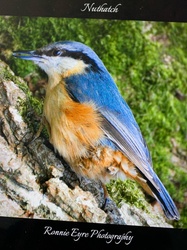
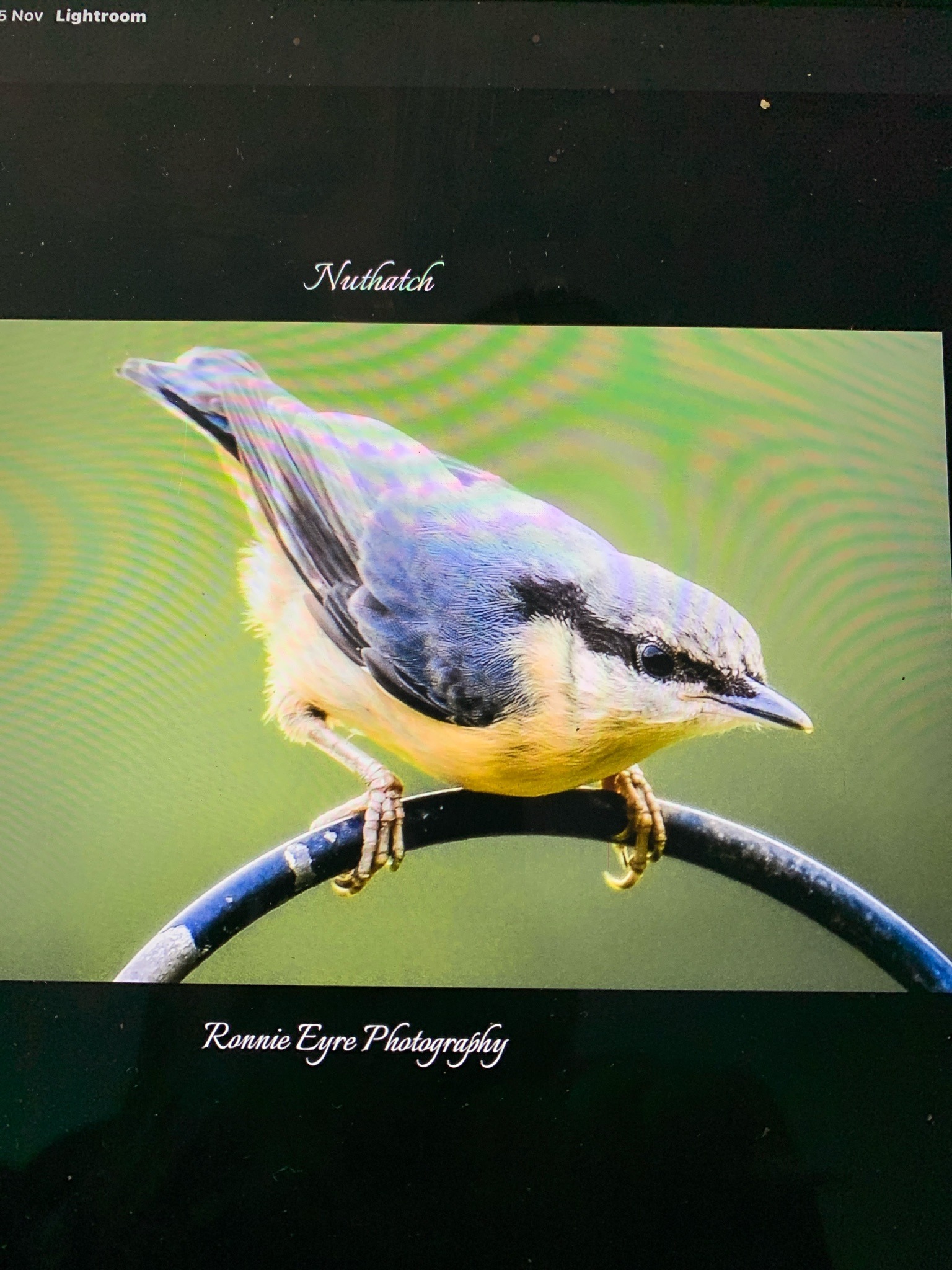
A compact, plump bird with a large head, short tail, and a strong, pointed grey-black bill. Famously known for its ability to climb down tree trunks headfirst.
Explore Eurasian Nuthatch in the encyclopedia →Identify your own birds.
Get a report just like this from any photo or call, free.
Plumage & appearance
Blue-grey upperparts, a distinctive black eye-stripe (eyeline) running from the bill to the sides of the neck, and whitish or buff underparts. Flanks and lower belly can be rufous-orange, varying by subspecies (e.g., more vivid buff/orange in western European forms).
Key field marks
Blue-grey back, black eyeline, whitish throat and breast, and the unique habit of moving down tree trunks headfirst.
Size & weight
Length: 14 cm, Wingspan: 22-24 cm, Weight: 17-25 g
Voice — call & song
A loud, ringing, repetitive 'quip-quip-quip' or clear whistling songs used for territorial defense and communication.
Diet & foraging
Insects, spiders, seeds, and nuts; wedges large items into crevices (like bark) to hammer them open with its strong bill.
Habitat
Mature deciduous and mixed broadleaf forests, parklands, and large mature gardens with old trees.
Migration & movement
Non-migratory resident
Nesting & breeding
Nests in tree cavities, often reducing the entrance hole size with a mixture of mud. Clutch size is typically 6-9 eggs.
Similar species
Treecreeper, which has a slender down-curved bill and can only climb up trees rather than down.
Ecological significance
Helps control forest insect populations by foraging on tree bark, and provides nesting cavities for secondary cavity nesters.
Conservation status
Least Concern, with a stable population trend
Observation tips
Listen for their loud, ringing calls in mature deciduous or mixed woodlands, or watch backyard bird feeders where they readily take sunflower seeds and suet.
Interesting facts
Nuthatches get their name from their habit of wedging nuts into cracks in tree bark and 'hacking' at them with their strong bills to eat the kernel.
More like this