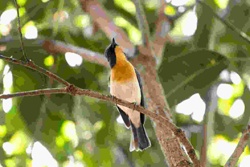
Order: Passeriformes, Family: Passerellidae
Dark-eyed Junco
Junco hyemalis
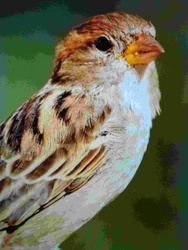
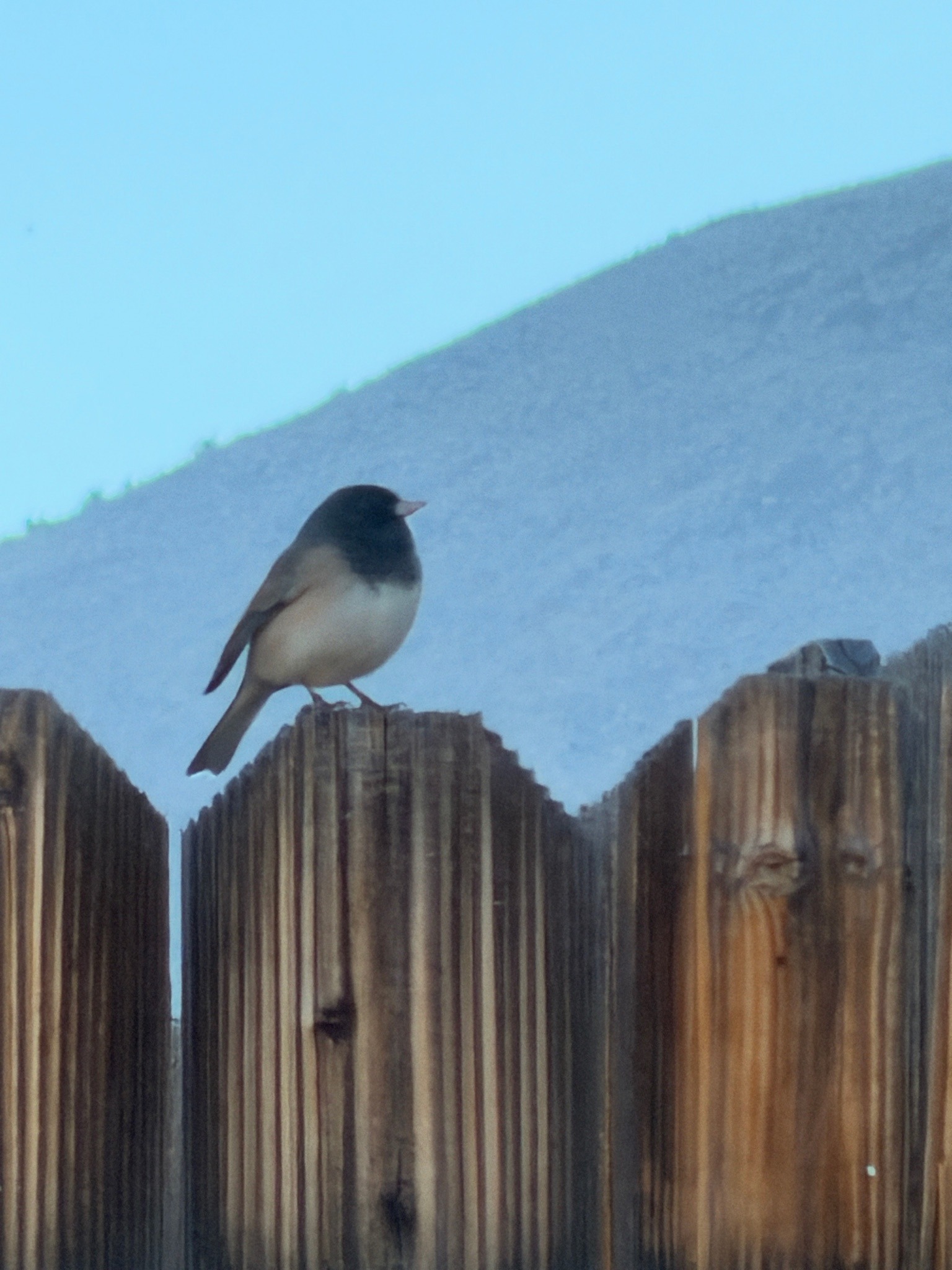
A medium-sized sparrow with a rounded head, neat pink bill, and a distinct two-toned dark hood and lighter underparts, frequently flashing white outer tail feathers in flight.
Explore Dark-eyed Junco in the encyclopedia →Identify your own birds.
Get a report just like this from any photo or call, free.
Plumage & appearance
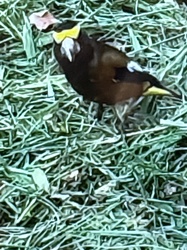
Adult males typically have a dark charcoal-grey or black hood sharply contrasting with a white belly and grey back. Females and immature birds often have a similar pattern but with browner, less sharply defined hoods.
Key field marks
Dark hood sharply contrasting with white belly, pinkish-white conical bill, and flashing white outer tail feathers visible in flight.
Size & weight
Length: 13-17 cm (5.1-6.7 in), Wingspan: 18-25 cm (7.1-9.8 in), Weight: 18-30 g (0.6-1.1 oz)
Voice — call & song
Song is a simple, musical trill on a single pitch; calls include a sharp 'tack' or a soft ticking sound.
Diet & foraging
Primarily seeds of grasses, weeds, and fallen grains in winter; heavily supplemented with insects and spiders during the summer breeding season.
Habitat
Coniferous and mixed forests during breeding season; visits open woodlands, brushy areas, fields, suburban yards, and parks in winter.
Migration & movement
Partial migrant. Northern populations migrate south for the winter, while western mountain populations often move downward in elevation.
Nesting & breeding
Builds an open cup nest hidden on the ground under logs, rocks, or tufts of grass. Lays 3-6 speckled eggs and raises 1-3 broods per year.
Similar species
Townsend's Solitaire (lacks pink bill and white belly contrast) and various sparrows, but the distinct dark hood and white outer tail feathers are diagnostic.
Ecological significance
Acts as an important seed disperser and helps control insect populations during the breeding season.
Conservation status
Least Concern, with a stable or increasing population trend.
Observation tips
Often found hopping on the ground beneath bird feeders. Providing white millet on low trays or directly on the ground will frequently attract them.
Interesting facts
Dark-eyed Juncos are often called 'snowbirds' because they frequently appear in suburban areas right as winter weather sets in.
More like this