Order: Passeriformes, Family: Sturnidae
Common Starling (Fledgling)
Sturnus vulgaris
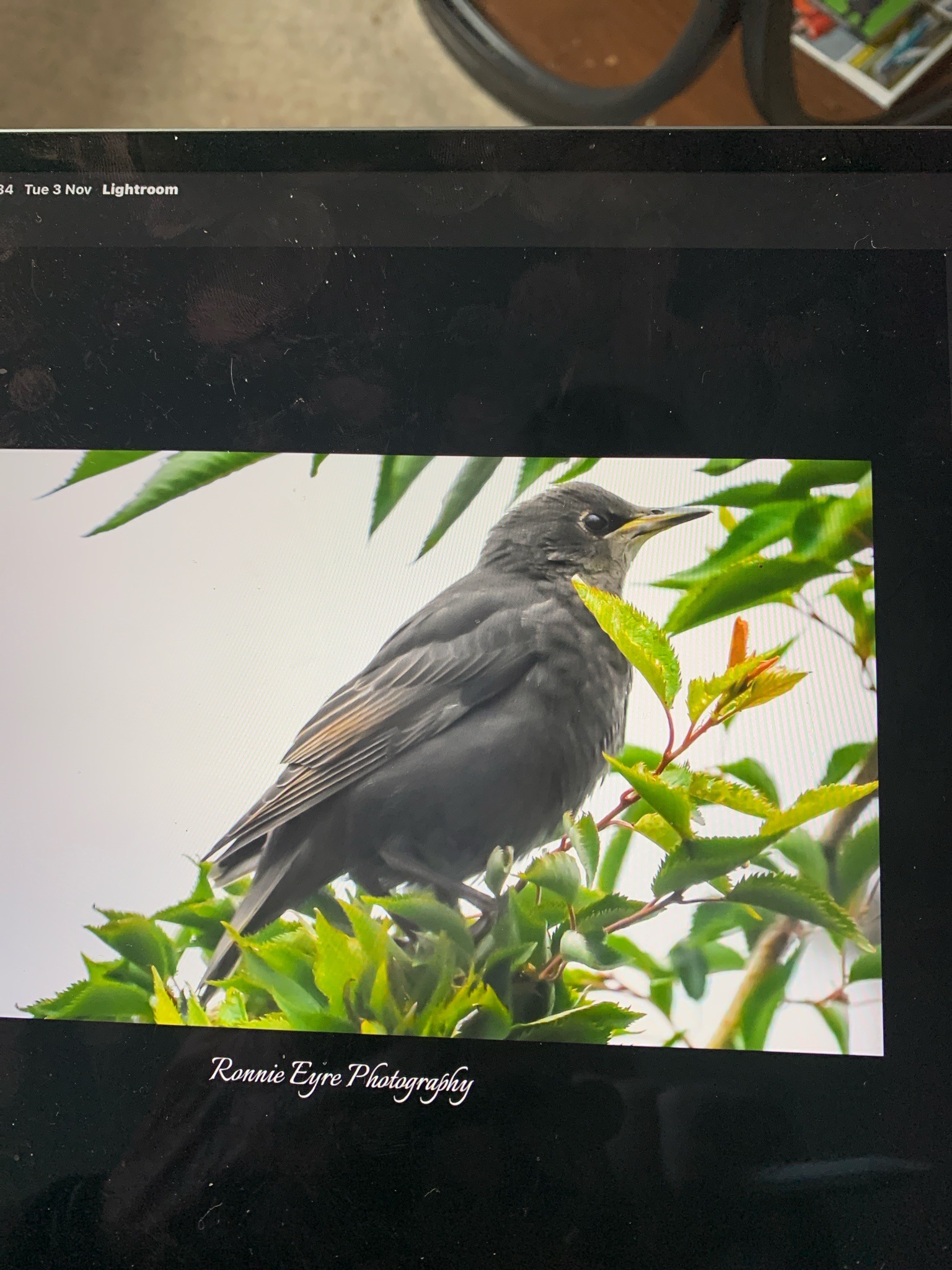
A medium-sized perching bird. This image depicts a newly fledged starling, showing dull grey-brown juvenile plumage, a stout dark bill with yellow fleshy corners (gapes) indicating its young age, and perched amongst green foliage.
Explore Common Starling (Fledgling) in the encyclopedia →Identify your own birds.
Get a report just like this from any photo or call, free.
Plumage & appearance
Adults have glossy black plumage with iridescent purple and green sheens and white tips in winter. Juveniles and fledglings, as seen here, are plain dull grey-brown overall, lacking the iridescence, with a pale throat and dark streaks on the underparts, alongside a distinct yellowish gape at the base of the bill.
Key field marks
Stout, pointed bill; relatively short tail; grey-brown juvenile plumage; yellowish gape at the base of the bill.
Size & weight
Length: 20-23 cm (8-9 in), Wingspan: 31-44 cm (12-17 in), Weight: 58-101 g (2.0-3.6 oz)
Voice — call & song
Noisy and varied. Includes harsh scolding calls, whistles, and an intricate song consisting of clicks, rattles, and mimicry of other bird species.
Diet & foraging
Omnivorous. Feeds heavily on insects, invertebrates, seeds, grains, nectar, and fruits. Forages by walking on the ground, probing soil with its bill.
Habitat
Highly adaptable, found in urban areas, agricultural fields, open woodlands, grasslands, and suburban gardens.
Migration & movement
Partially migratory. Populations in northern and eastern parts of its range migrate south and west for the winter, while western and southern populations are largely resident.
Nesting & breeding
Nests in cavities such as tree holes, birdhouses, and building crevices. Lays 4-6 pale blue or white eggs. Both parents share incubation and feeding duties.
Similar species
Juvenile European Starlings can sometimes be confused with other juvenile blackbirds or thrushes, but are distinguished by their shorter tails, pointed bills, and characteristic overall grey-brown plumage with streaked throats.
Ecological significance
Acts as an important predator of agricultural and garden insect pests, though introduced populations can sometimes compete with native cavity-nesting birds and damage fruit crops.
Conservation status
Least Concern, with stable or increasing global populations due to high adaptability.
Observation tips
Look for fledglings in trees or shrubs near nests during early summer; they often beg loudly with fluttering wings and are less wary of humans than adults.
Interesting facts
Starlings are master mimics and can incorporate the calls of other birds, mechanical sounds, and human speech into their repertoire. They are also famous for forming massive, swirling flocks called murmurations during the autumn and winter months.
More like this