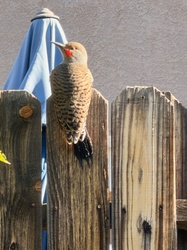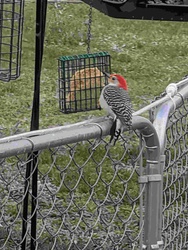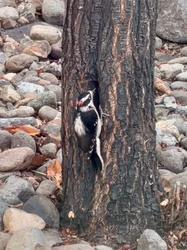
Order: Piciformes, Family: Picidae
Downy Woodpecker
Dryobates pubescens
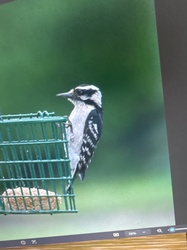
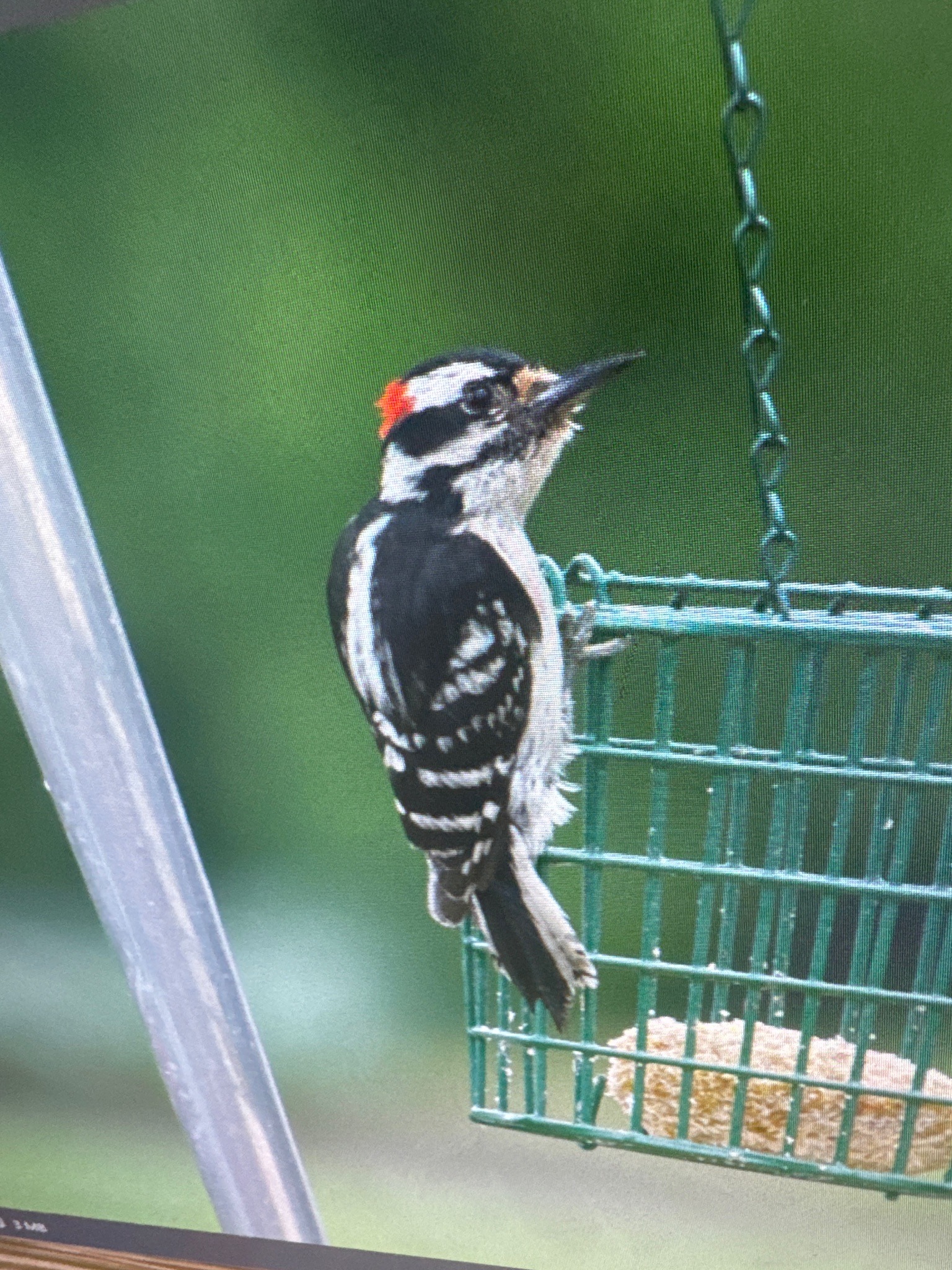
The smallest woodpecker in North America, featuring a short, straight bill, checkered black and white wings, a white back, and a lively, active demeanor as it hitches up tree trunks.
Explore Downy Woodpecker in the encyclopedia →Identify your own birds.
Get a report just like this from any photo or call, free.
Plumage & appearance
Black and white patterned plumage with a white back stripe. Adult males feature a small red patch on the back of the head (nape), which is absent in females. Juveniles may have a red wash on the crown.
Key field marks
Small overall size, short bill (much shorter than the head width), white back, and barred outer tail feathers.
Size & weight
Length: 14-17 cm (5.5-6.7 in), Wingspan: 25-30 cm (9.8-11.8 in), Weight: 20-30 g (0.7-1.1 oz).
Voice — call & song
A sharp, high-pitched pik call and a descending series of notes called a whinny; they also communicate by drumming rapidly on resonant dead wood.
Diet & foraging
Primarily insects (beetle larvae, ants, caterpillars) and spiders, supplemented by seeds, berries, and suet, foraging by hammering and probing into bark.
Habitat
Deciduous and mixed forests, woodlots, orchards, suburban parks, and backyards with mature trees.
Migration & movement
Permanent resident, non-migratory, though some northern individuals may wander slightly southward in winter.
Nesting & breeding
Excavates a new cavity in dead wood or a dead limb each year, laying 3 to 7 white eggs. Both parents share incubation and brooding duties.
Similar species
Hairy Woodpecker (Dryobates villosus) is very similar in plumage but significantly larger with a much longer, chisel-like bill relative to its head size.
Ecological significance
Helps control insect populations, particularly wood-boring beetle larvae, and creates cavity nests that are subsequently used by many other secondary cavity-nesting birds and mammals.
Conservation status
IUCN Least Concern, with stable or increasing populations.
Observation tips
Easily attracted to backyard bird feeders offering suet, sunflower seeds, and peanuts. Look and listen for them tapping on tree trunks or dead branches in wooded suburban areas and parks.
Interesting facts
To cushion its brain from the impact of hammering wood up to 8,500 times a day, the Downy Woodpecker has specialized spongy skull bones and stiff tail feathers used as a prop.
More like this