Order: Passeriformes, Family: Aegithalidae
Long-tailed Tit
Aegithalos caudatus
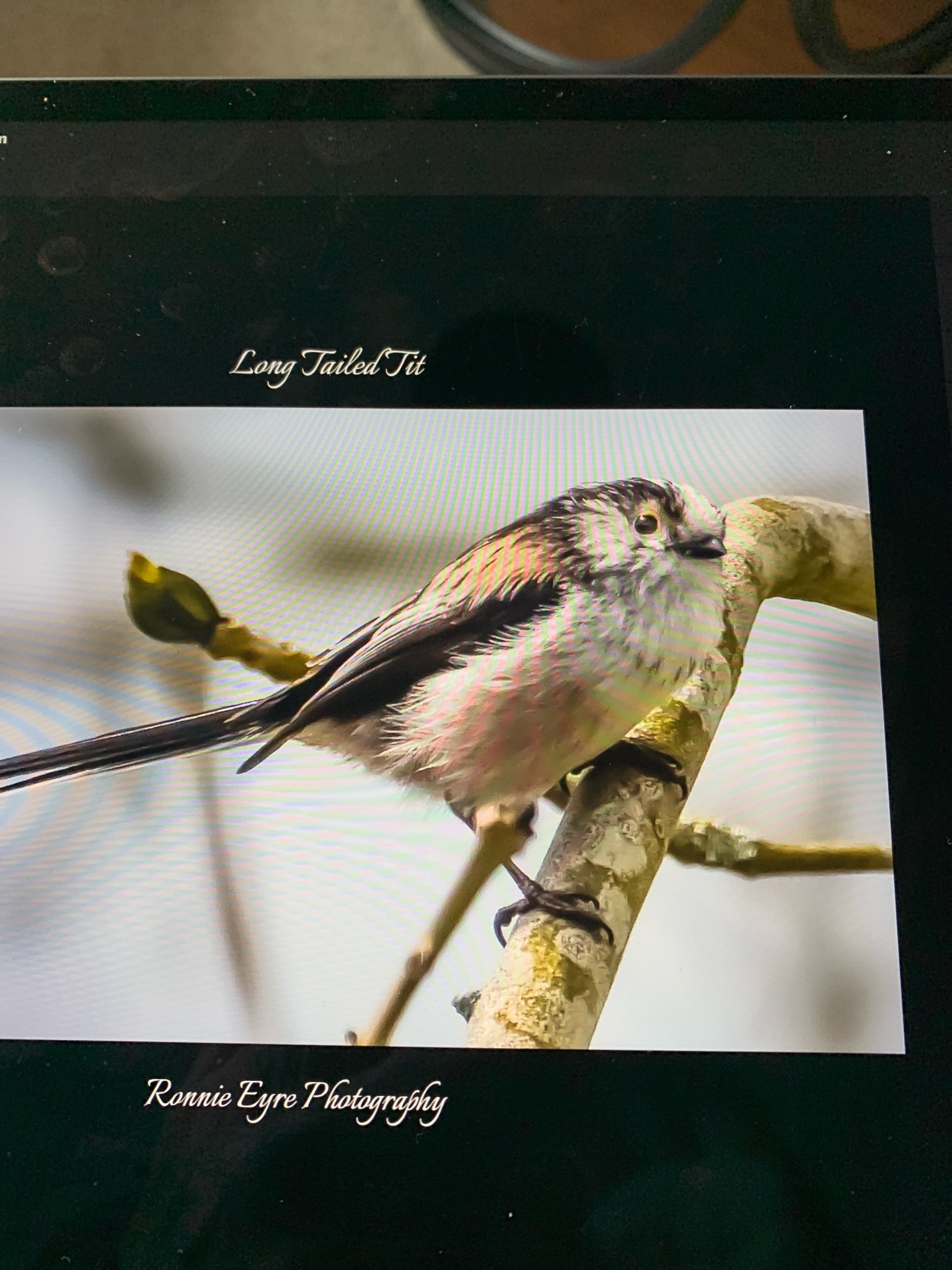
A very small, rotund bird with a distinctive extremely long tail, often described as a 'lollipop with a tail' or a flying feather. Highly social and acrobatic.
Explore Long-tailed Tit in the encyclopedia →Identify your own birds.
Get a report just like this from any photo or call, free.
Plumage & appearance
Head is mostly white with broad black eyebrows in the nominate race; mantle is black with pinkish scapulars; wings are black and white; underparts are whitish tinged with pink; tail is very long and black with white outer edges. Sexes are similar in appearance.
Key field marks
Tiny, plump body, disproportionately long black-and-white tail, pinkish tones on the body, and short, stubby black bill.
Size & weight
Length: 13-15 cm (including the 7-9 cm tail); Wingspan: 16-19 cm; Weight: 7-9 g.
Voice — call & song
High-pitched, repeated trilling notes such as 'see-see-see' or a distinctive rattling 'tsrr-tsrr' call used to maintain contact within the flock.
Diet & foraging
Insects, spiders, and their eggs, supplemented with seeds and buds in autumn and winter; readily visits bird feeders for suet and fat balls.
Habitat
Deciduous and mixed forests, scrublands, hedgerows, parks, and large gardens with an abundance of bushes and trees.
Migration & movement
Non-migratory resident, though local wandering occurs in winter.
Nesting & breeding
Constructs a remarkable, oval-shaped dome nest made of moss, lichen, and spider silk, lined with thousands of feathers. Usually lays 8-12 eggs in a clutch.
Similar species
Penduline Tit (Remiz pendulinus), which has a distinctive dark facial mask, and Bushtit (Psaltriparus minimus) of North America, which is more uniformly grayish-brown.
Ecological significance
Helps control populations of small insects and pests on trees and shrubs by gleaning foliage during winter and summer.
Conservation status
IUCN Least Concern with a stable population trend.
Observation tips
Look and listen for active, chattering flocks moving quickly through deciduous woodlands, scrub, or suburban gardens, often joining mixed-species foraging flocks.
Interesting facts
Long-tailed Tits use up to 3,000 feathers to line their elaborate dome nests and often engage in cooperative breeding where failed breeders help raise the young of related pairs.
More like this