Order: Passeriformes; Family: Certhiidae
Brown Creeper
Certhia americana
A small, slender woodland bird that hitches upward along tree trunks in a spiral fashion, using its thin, curved bill to extract insects.
Explore Brown Creeper in the encyclopedia →Identify your own birds.
Get a report just like this from any photo or call, free.
Plumage & appearance
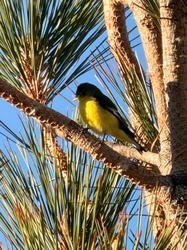
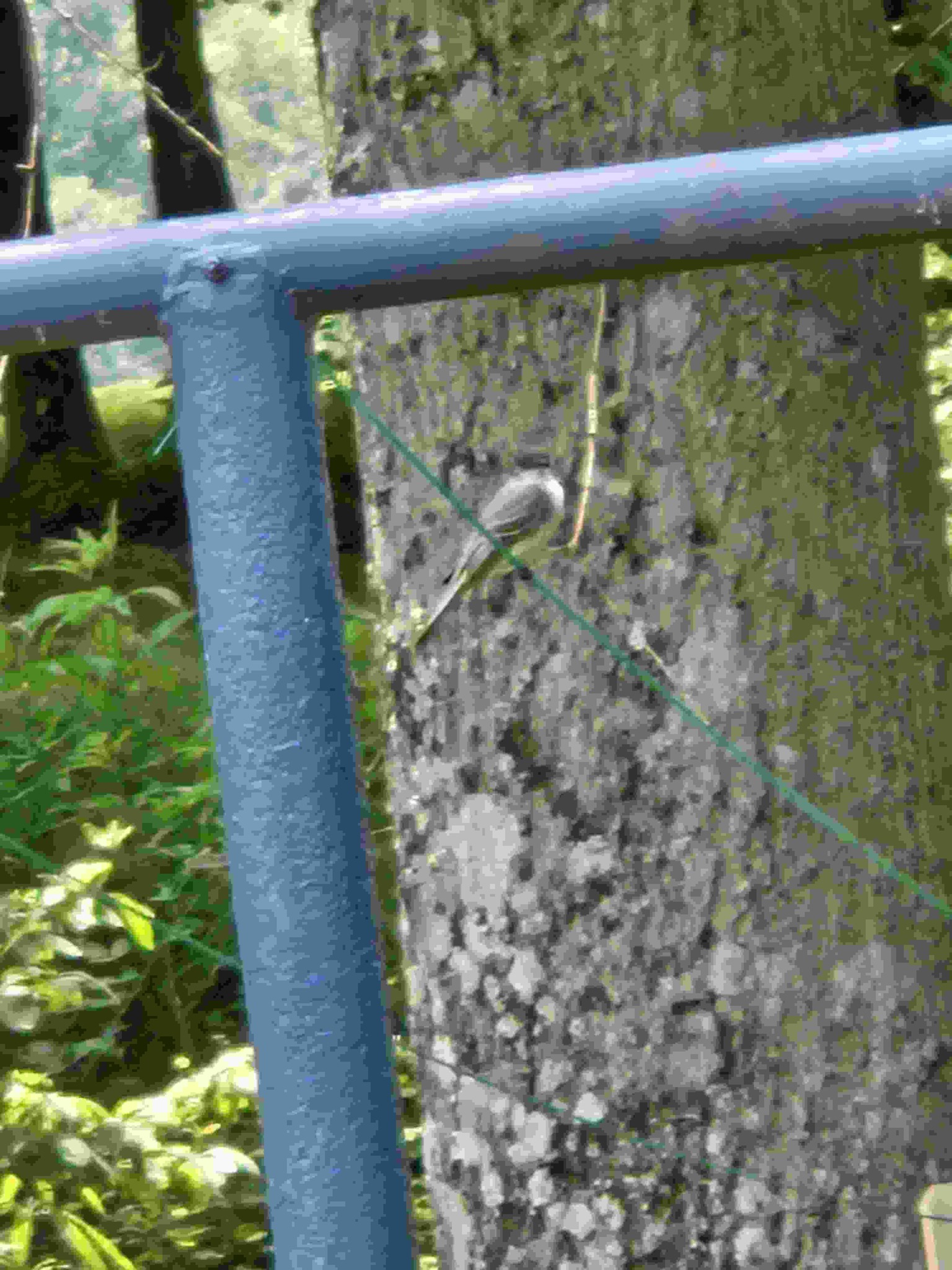
Streaked brown above, resembling tree bark, with a white belly and a buff-colored line over the eye. Long, stiff, brown tail feathers used for support.
Key field marks
Thin, downward-curved bill; stiff tail feathers braced against bark; brown-and-white streaked upperparts providing camouflage.
Size & weight
Length: 4.7-5.5 in (12-14 cm); Wingspan: 6.7-7.9 in (17-20 cm); Weight: 0.2-0.4 oz (5-10 g)
Voice — call & song
High-pitched, thin 'tsee' calls; song is a delicate, tinkling series of high notes: 'trees, beautiful trees.'
Diet & foraging
Primarily small insects, spiders, and their eggs, found in bark furrows; occasionally eats seeds or suet in winter.
Habitat
Mature coniferous or deciduous forests and woodlands with large trees.
Migration & movement
Short-distance migrant; many northern birds move south to the central and southern US for winter.
Nesting & breeding
Builds a hammock-shaped nest behind a loose flap of bark on a dead or dying tree; typically lays 5-6 eggs.
Similar species
Nuthatches (which climb downward) and Black-and-white Warblers (which don't use their tail for support).
Ecological significance
Controls insect populations in forests by gleaning eggs, larvae, and small insects from deep within bark crevices.
Conservation status
Least Concern (IUCN); population trends are generally stable.
Observation tips
Look for a tiny bird moving upward on a tree trunk like a piece of moving bark. They always climb up and then fly to the base of a new tree.
Interesting facts
The Brown Creeper is known for its incredible camouflage; when it stays still against a tree trunk, it is nearly impossible to see.
More like this