Order: Passeriformes, Family: Mimidae
Northern Mockingbird
Mimus polyglottos
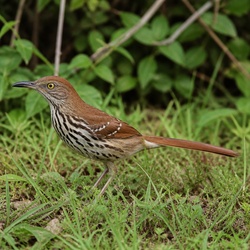
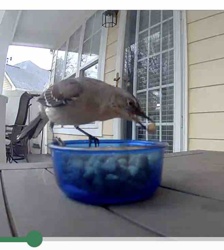
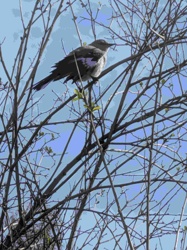
A slim, long-tailed songbird known for its incredible ability to mimic various sounds. It is highly active, often seen running on lawns or perched on high vantage points.
Explore Northern Mockingbird in the encyclopedia →Identify your own birds.
Get a report just like this from any photo or call, free.
Plumage & appearance
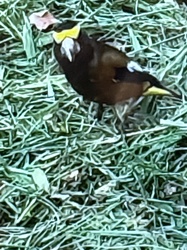
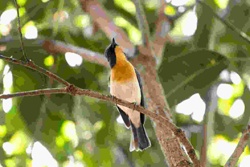
Overall gray-brown upperparts and pale gray to white underparts. Notable white wing patches visible in flight and white outer tail feathers. Sexes are identical.
Key field marks
Long tail with white outer feathers, thin bill, and bold white patches on the wings (primary coverts).
Size & weight
Length: 8.3-10.2 in (21-26 cm); Wingspan: 12.2-13.8 in (31-35 cm); Weight: 1.6-2.0 oz (45-58 g)
Voice — call & song
A long series of varied musical phrases, each repeated 2-6 times. Known for mimicking other birds, frogs, and mechanical sounds.
Diet & foraging
Omnivorous; eats insects (grasshoppers, beetles, ants) in summer and berries or fruits in winter.
Habitat
Open areas with sparse vegetation, including suburban lawns, parks, gardens, and forest edges.
Migration & movement
Mostly resident, though northernmost populations may move slightly south during harsh winters.
Nesting & breeding
Builds an open cup nest of twigs and grass in dense shrubs. Lays 2-6 eggs. Extremely territorial and will dive-bomb intruders near the nest.
Similar species
Loggerhead Shrike (has a black mask and hooked bill); Sage Thrasher (smaller with heavy spotting on breast).
Ecological significance
Acts as an important seed disperser for various native plants and helps control insect populations.
Conservation status
Least Concern (Population stable)
Observation tips
Look for them in suburban areas or perched on fences. They are easily identified by the white flashes in their wings when they fly or 'hitch' their wings.
Interesting facts
A single male can learn up to 200 different songs in its lifetime. It is the state bird of five U.S. states: Arkansas, Florida, Mississippi, Tennessee, and Texas.
More like this