Order: Passeriformes, Family: Mimidae
Identified from audio
Brown Thrasher
Toxostoma rufum
A large, slender mimic thrush known for singing an extensive repertoire of repeated phrases and its aggressive defense of territory.
Explore Brown Thrasher in the encyclopedia →Identify your own birds.
Get a report just like this from any photo or call, free.
Plumage & appearance
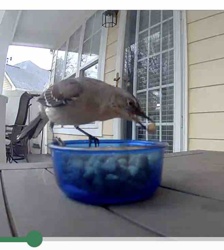
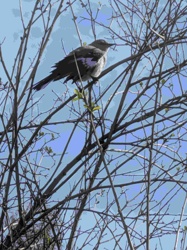
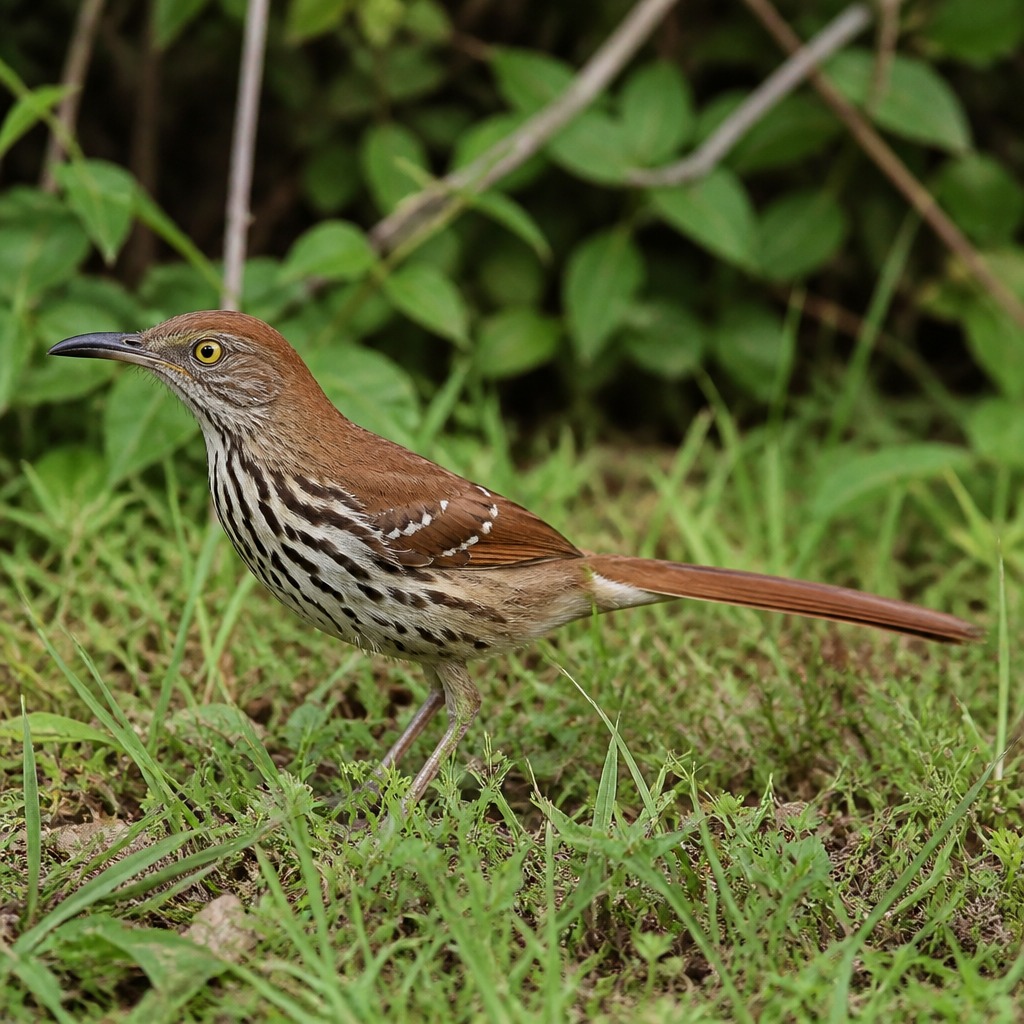
Warm reddish-brown upperparts, heavily streaked buff-white underparts, two white wingbars, and a very long, down-curved tail.
Key field marks
Bright reddish-brown back, heavily streaked breast, long tail, yellow eyes, and a slightly curved bill.
Size & weight
Length: 9.8-11.8 inches, Wingspan: 11.4-12.6 inches, Weight: 2.1-3.1 ounces
Voice — call & song
The recording features a rich, melodic song characterized by musical phrases usually repeated twice in succession, interspersed with harsh chuck calls.
Diet & foraging
Insects, berries, seeds, and occasionally small amphibians and reptiles.
Habitat
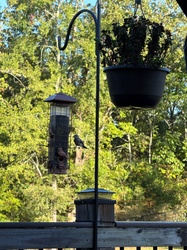
Thickets, brushy edges, overgrown fields, and suburban gardens.
Migration & movement
Permanent resident in the southern part of its range; northern populations migrate south for the winter.
Nesting & breeding
Builds a bulky cup nest of twigs and leaves, typically placed low in dense shrubs or small trees.
Similar species
Wood Thrush and Northern Mockingbird; distinguished by the Brown Thrasher's longer tail, yellow eyes, and distinctive paired phrasing.
Ecological significance
Acts as an important seed disperser and insect predator in dense shrublands and forest understories.
Conservation status
Least Concern
Observation tips
Look for them scratching vigorously through leaf litter in dense thickets and brush piles.
Interesting facts
The Brown Thrasher has a vocabulary of over 1,000 distinct song types, one of the largest repertoires of any North American bird.
More like this