Order: Passeriformes, Family: Laniidae
Red-backed Shrike
Lanius collurio
A slim, medium-sized passerine known for its predatory behavior, often referred to as the 'butcherbird' for impaling prey on thorns.
Explore Red-backed Shrike in the encyclopedia →Identify your own birds.
Get a report just like this from any photo or call, free.
Plumage & appearance
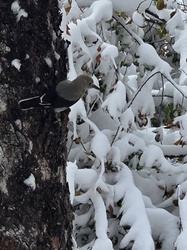
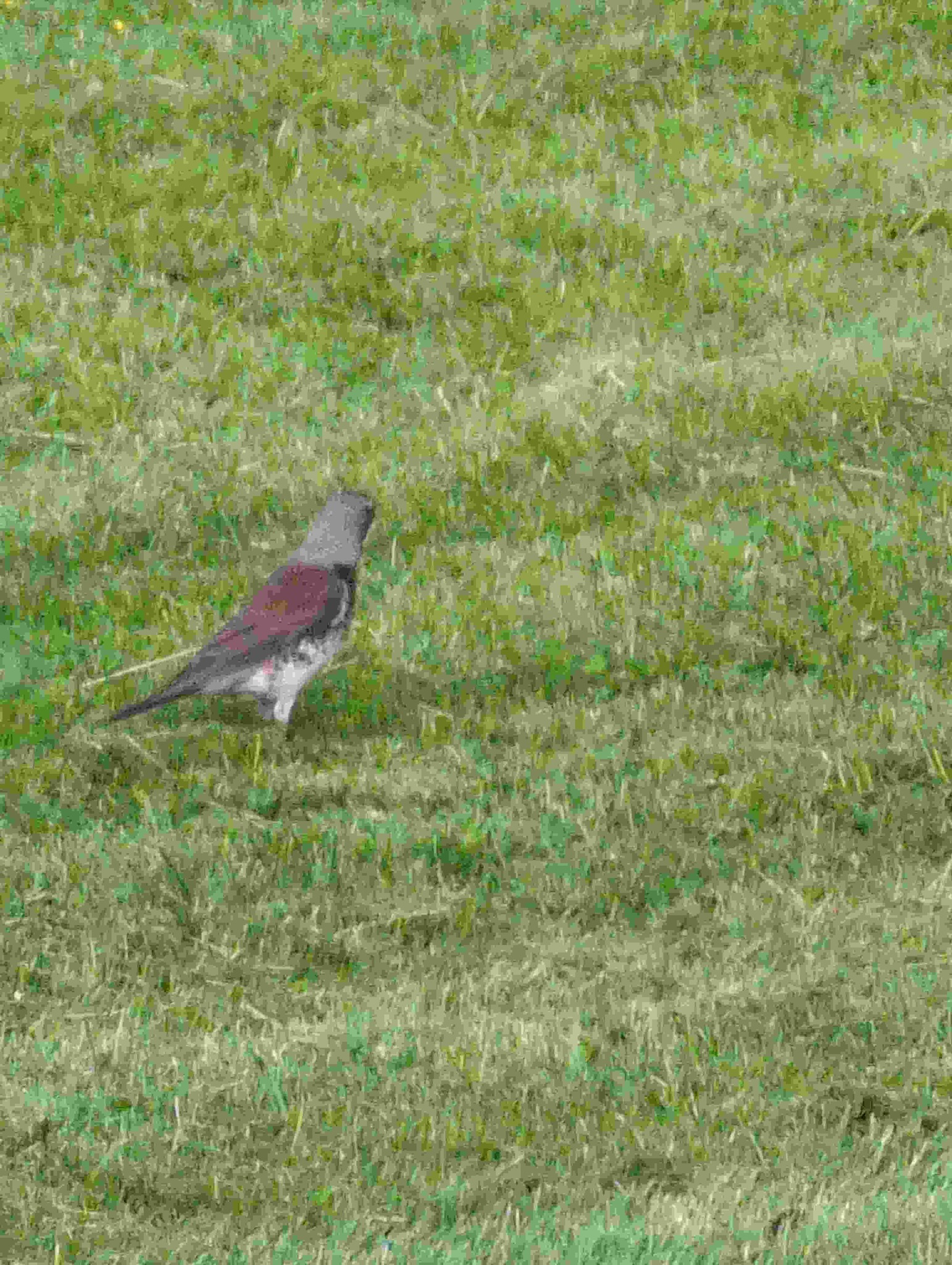
Adult males have a blue-grey head with a prominent black 'mask' and a chestnut-red back. Females and juveniles are browner with crescent-shaped barring on the underside.
Key field marks
Black eye mask, blue-grey crown, chestnut back, and a relatively long, hooked black bill.
Size & weight
Length: 16-18 cm; Wingspan: 24-27 cm; Weight: 25-35 g
Voice — call & song
The song is a musical warble containing mimicry; the call is a harsh, repetitive 'chee-uk' or 'chak-chak'.
Diet & foraging
Primarily large insects like beetles and grasshoppers, but also small birds, frogs, and rodents.
Habitat
Open countryside with scattered thorny bushes, heathland, and traditional orchards.
Migration & movement
Long-distance migrant; breeds in Europe and Asia, winters in the Southern Half of Africa.
Nesting & breeding
Builds a cup-shaped nest in dense, prickly bushes like hawthorn. Lays 3-7 eggs per clutch; both parents guard the territory.
Similar species
Isabelline Shrike (paler, lacks the heavy chestnut back) and Woodchat Shrike (distinct white patches and reddish crown).
Ecological significance
Acts as a primary controller of large insect and small lizard populations within its scrubland habitat.
Conservation status
Least Concern (IUCN); however, populations have declined significantly in parts of Western Europe, especially the UK.
Observation tips
Look for them perched prominently on top of bushes, scanning the ground for movement. They are most active during warm, sunny days.
Interesting facts
This bird is famous for its 'larder' behavior, where it impales prey on thorns to store food for later or for courtship displays.
More like this