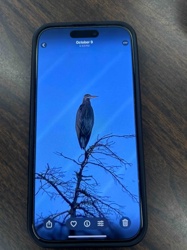
Ardea alba
Great Egret
A large, elegant white heron with a long S-curved neck, yellow bill, and black legs and feet
Explore Great Egret in the encyclopedia →Identify your own birds.
Get a report just like this from any photo or call, free.
Plumage & appearance
Entirely white feathers, with long nuptial plumes (aigrettes) on the back during breeding season
Ecological significance
Acts as an apex predator in wetland ecosystems, controlling populations of fish, amphibians, and insects
Conservation status
Least Concern (Population increasing globally)
Observation tips
Look for them standing motionless in shallow water or stalking prey with slow, deliberate steps near pond edges
More like this