Order: Passeriformes; Family: Muscicapidae
Common Redstart
Phoenicurus phoenicurus
A slim, elegant chat known for its habit of frequently quivering its bright orange-red tail. Males are strikingly colored.
Explore Common Redstart in the encyclopedia →Identify your own birds.
Get a report just like this from any photo or call, free.
Plumage & appearance
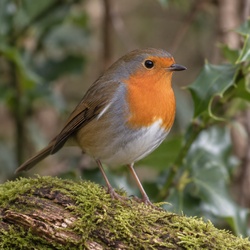
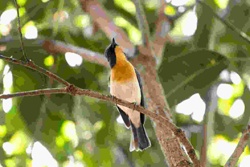
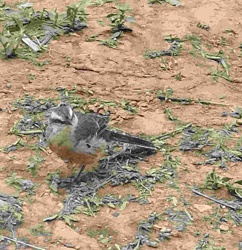
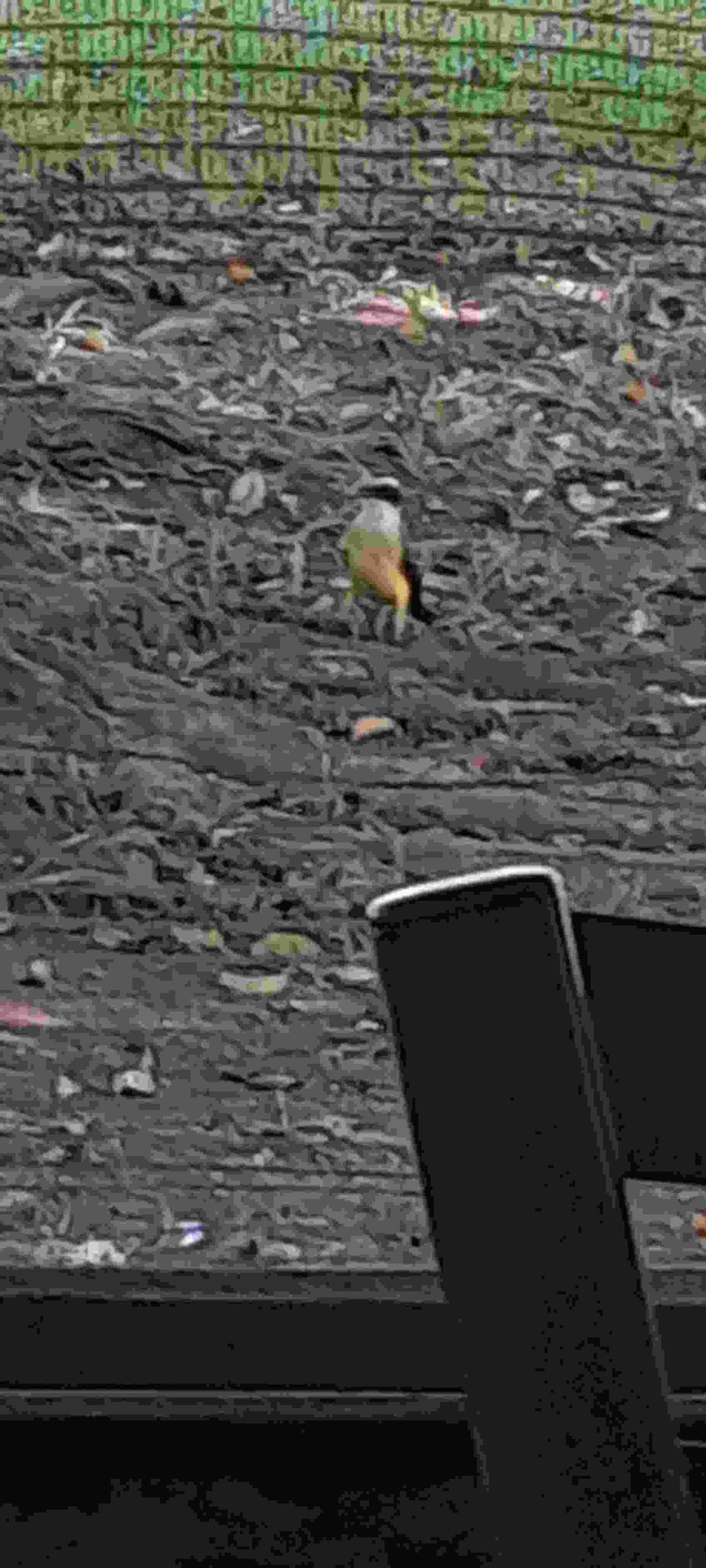
Adult males (visible here) have a slate-grey back, black face and throat, white forehead, and a bright orange-red breast and tail. Females are much duller, being mostly brown with a paler orange tail.
Key field marks
Orange-red tail that 'shivers', white forehead patch, and black throat in males.
Size & weight
Length: 13-14.5 cm; Wingspan: 20-23 cm; Weight: 11-20 g
Voice — call & song
A melodic, high-pitched warbling song starting with a 'huit' note, followed by several clear whistles and a scratchy finish.
Diet & foraging
Primarily insects and spiders which it catches on the ground or in mid-air; also eats berries in the autumn.
Habitat
Mature deciduous woodlands, parks, old orchards, and large gardens with plenty of nesting cavities.
Migration & movement
Migratory; spends the winter in sub-Saharan Africa, returning to Europe and Central Asia to breed in the spring.
Nesting & breeding
Nests in holes in trees or walls; uses grass, moss, and feathers. Lays 5-7 pale blue eggs between May and June.
Similar species
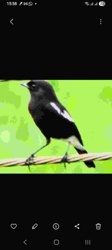
Black Redstart (darker overall, lacks orange breast), American Redstart (unrelated, different color pattern).
Ecological significance
Acts as an important insectivore, controlling pest populations in woodlands, and serves as an indicator species for the health of mature forest ecosystems.
Conservation status
Least Concern (IUCN) with a stable population trend.
Observation tips
Look for a constant flicking or shivering motion of the tail. They are often found on the edge of woodlands or in mature parks and gardens.
Interesting facts
The name 'redstart' comes from the Old English 'stert', meaning tail. They are very active birds that rarely sit still for long.
More like this