
Rufous Whistler Identification Guide
A common Australian songbird best known for the male's grey-and-rufous plumage with a black mask and its powerful, whip-cracking whistled song.
Read the full Rufous Whistler encyclopedia entry →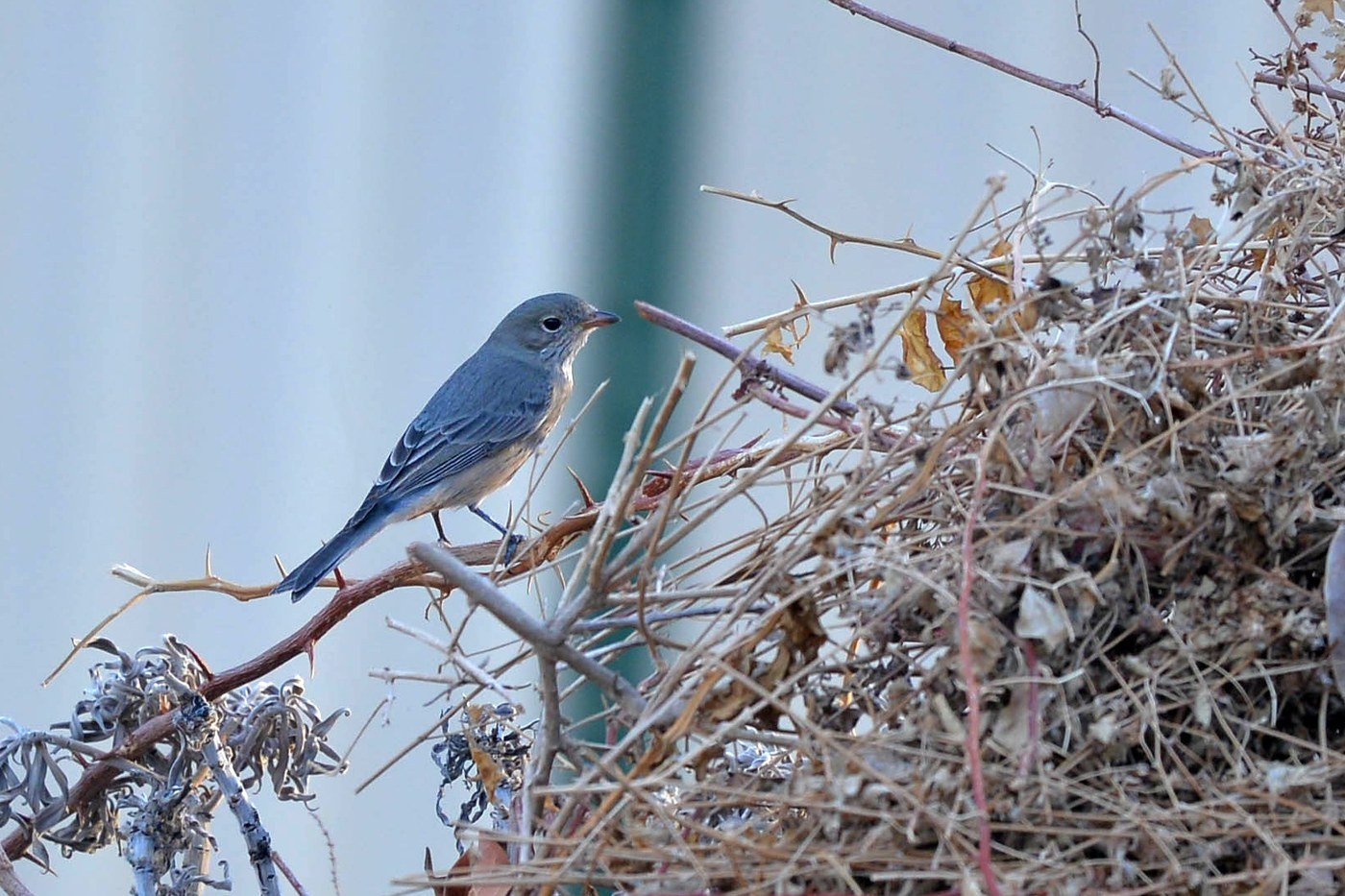
Key Field Marks
- Medium-small songbird, about 17 cm long, with an upright stance and a stout, slightly hooked bill typical of whistlers.
- Male: blue-grey crown, nape, and back; black mask through the eye and a black band across the upper breast; clean white throat; rich rufous-orange lower breast and belly.
- Female and immature: plain grey-brown above with a whitish, finely dark-streaked throat and breast, and pale buffy underparts — much less boldly marked than the male.
- Bill is dark, straight, and slightly hooked at the tip; legs are grey.
- Often perches boldly upright on an open branch, then sallies out after flying insects or gleans them from foliage.
Similar Species
- Golden Whistler: male has a bright yellow (not rufous) breast and belly with a more contrasting black hood and white throat; female Golden Whistler often shows an olive-yellow wash below versus the buffier tones of a female Rufous Whistler.
- Mangrove Golden Whistler: restricted to coastal mangroves, yellower overall, more localized range.
- Grey Shrikethrush: larger, plainer grey-brown overall, lacks the male Rufous Whistler's black mask and rufous underparts, and has a different, more mournful song.
Habitat & Range
- Widespread across mainland Australia in woodlands, open forest, mallee, scrub, and even parks and gardens, generally avoiding dense rainforest interior.
- Southern populations are partially migratory, moving north in autumn and returning to breed in spring–summer; northern and inland birds are more sedentary.
- Also occurs in New Guinea and on some Pacific islands as separate populations/subspecies.
Voice
- One of the most distinctive songs in the Australian bush: a rising series of loud, ringing whistles that build to an emphatic, whip-crack-like final note, often rendered as "e-chong" or "joey-joey-joey-whip!"
- Both sexes call, but the male's full song is the classic sound most often used for identification; listen for it from a prominent perch in open woodland.
Best Times & Approach Tips
- Most vocal and easiest to detect during the spring–summer breeding season when males sing persistently to defend territory.
- Scan mid-storey branches and listen first — the song usually gives away its presence well before a visual is obtained.
Frequently asked questions
How do I tell a male Rufous Whistler from a male Golden Whistler?
Look at the underparts: Rufous Whistler males have orange-rufous breast and belly, while Golden Whistler males have bright yellow underparts and a more crisply contrasting black hood.
Are female Rufous Whistlers hard to identify?
Yes — females are dull grey-brown with a streaked whitish throat and lack the male's bold colors, so they're best confirmed by association with a singing male or by the diagnostic whip-crack song.
What does a Rufous Whistler sound like?
A loud series of clear whistles ending in an explosive whip-crack note, often written as "e-chong" — one of the most recognizable songs in Australian open woodland.
Where is the best habitat to find one?
Open eucalypt woodland, forest edges, mallee scrub, and even well-vegetated parks and gardens across most of mainland Australia.
Is the Rufous Whistler migratory?
Southern Australian populations are partial migrants that move north for winter, while many inland and northern birds stay resident year-round.