
European Serin Identification Guide
A tiny, stubby-billed finch with a bright yellow face and breast in males, common in gardens and open woodland across southern and central Europe.
Read the full European Serin encyclopedia entry →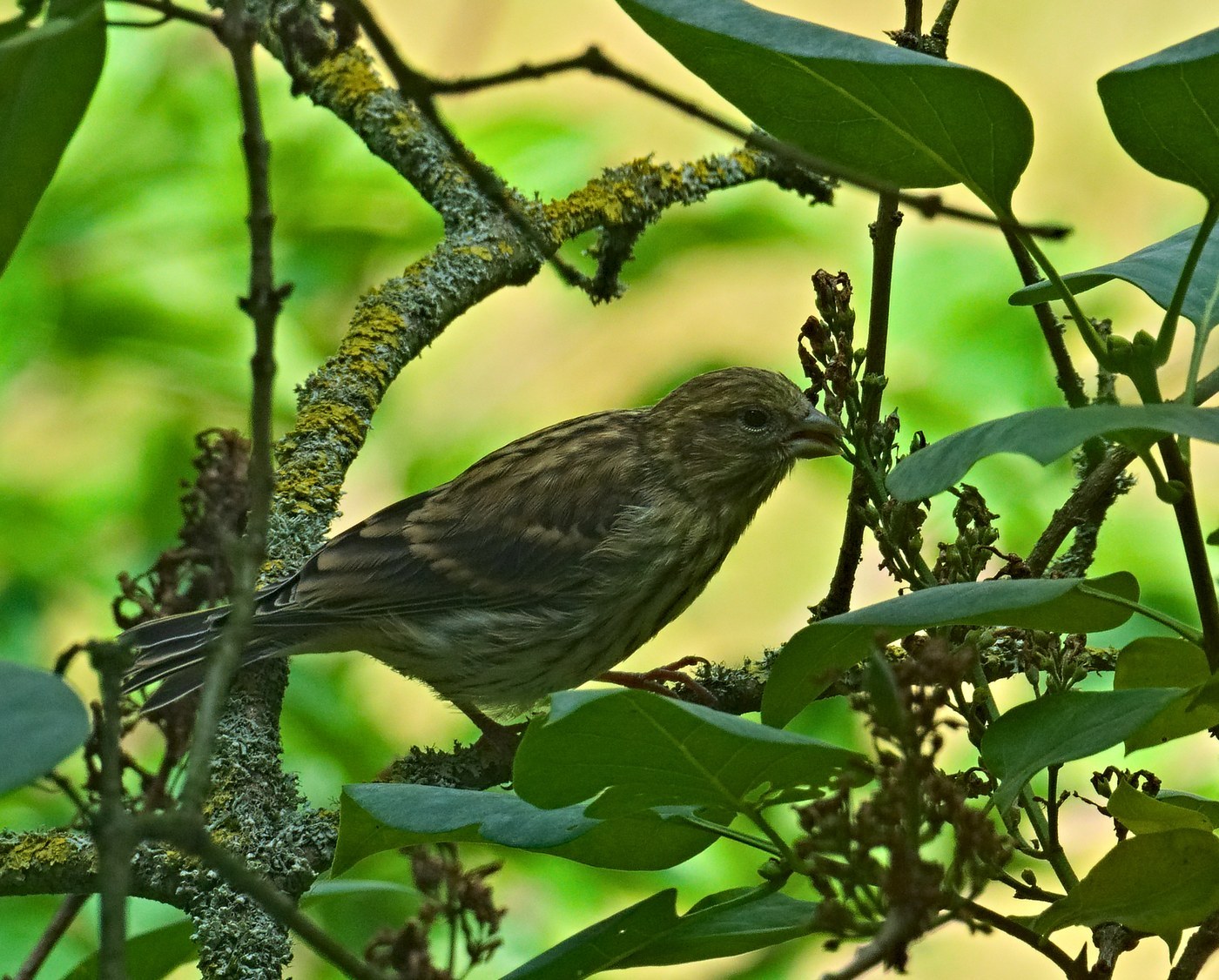
Key Field Marks
- Size & shape: Very small, one of the smallest European finches at about 11–12 cm, with a distinctively short, stubby, conical bill and a compact, round-headed shape.
- Male plumage: Bright yellow face, throat, and breast contrast with a heavily streaked olive-brown back and yellow rump patch that is especially conspicuous in flight. Underparts show dark streaking on the flanks.
- Female & juvenile plumage: Much duller and more heavily streaked overall, with a paler yellowish wash on the face and breast, but the diagnostic small size and stubby bill remain useful, along with a hint of the yellow rump patch.
- Behavior: Often forms small flocks, feeding on the ground or in low vegetation on small seeds; frequently sings from a high, exposed perch such as a wire, aerial, or treetop, with an insect-like jangling quality.
Separating from Similar Species
- European Greenfinch: Much larger and bulkier with a heavier bill and plain olive-green (not streaked) body; Serin is noticeably tinier with a stubbier bill and streaked back.
- Citril Finch: Similar yellow-green tones but Citril Finch lacks the bold dark streaking on the back and has a greyer head/nape; ranges overlap only in parts of southwestern Europe/the Alps.
- The combination of tiny size, very short stubby bill, streaked olive back, and yellow rump is the key Serin identification package.
Where & When to See It
- Found in open woodland edges, orchards, parks, gardens, and scrubby habitats with scattered trees across southern and central Europe; more local and northerly range edge in parts of France and central Europe.
- Largely resident in the milder south of its range, while northern and higher-altitude populations are partial migrants, moving to lower elevations or slightly south for winter.
- Frequently detected first by its distinctive jangling song from a high perch before being seen.
Voice
- Song is a fast, high-pitched, jangling, insect-like trill, often compared to a bunch of keys being shaken, delivered from a wire or treetop, sometimes in a brief song-flight; call is a short, sharp "tsli-lit".
Frequently asked questions
How do you tell a European Serin from a European Greenfinch?
Serin is much smaller with a distinctly stubby bill and heavily streaked olive-brown back, while Greenfinch is larger, plain olive-green, and has a heavier, less stubby bill.
What does the European Serin song sound like?
A fast, high-pitched, jangling trill often likened to shaking a bunch of keys, typically sung from a high exposed perch like a wire or treetop.
What is the best field mark for female or juvenile European Serins?
Very small overall size combined with a very short stubby bill and a streaked olive-brown back, plus a hint of a paler yellowish rump, distinguish it from other small finches and buntings.
Where do European Serins live?
Open woodland edges, orchards, parks, and gardens with scattered trees, mainly across southern and central Europe, being largely resident in the south and partially migratory farther north.