
California Condor Identification Guide
North America's largest flying land bird, an enormous black vulture with a bald head, huge white underwing patches, and a soaring silhouette unmistakable once seen well.
Read the full California Condor encyclopedia entry →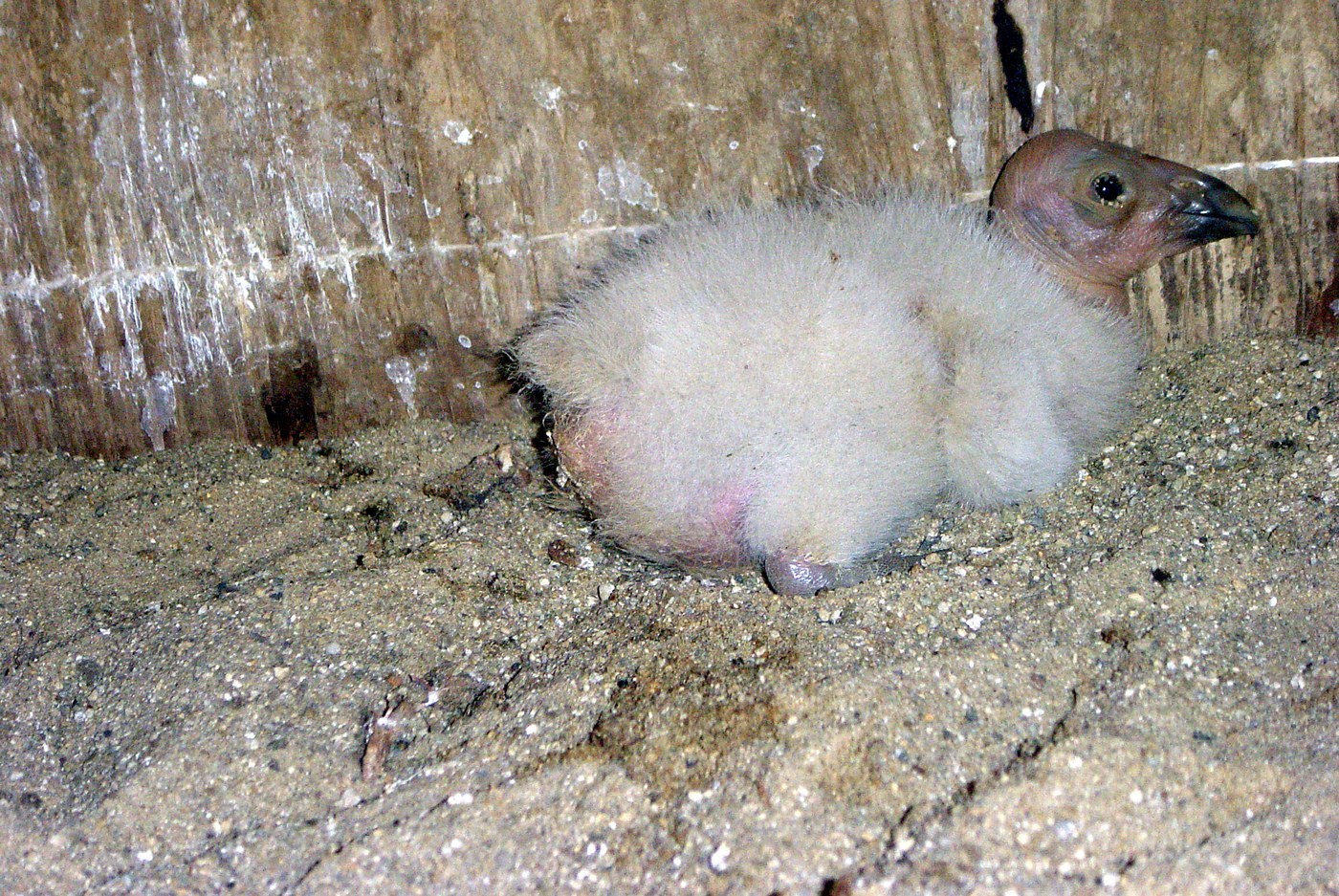
Key Field Marks
- Size: Massive - wingspan up to 9.5 feet (about 2.9 m), among the largest of any bird in the world; body length roughly 45-55 inches.
- Plumage: Overall glossy black body plumage with large, triangular white patches on the underwing coverts, visible from below in flight.
- Head: Bald head and neck, colored pinkish-orange to yellow-orange in adults (duller gray in juveniles), an adaptation for hygiene when feeding on carcasses.
- Bill: Large, strongly hooked, pale ivory-colored bill suited to tearing carrion.
- Wing shape in flight: Broad, long wings held flat (not in a shallow V like Turkey Vultures), with deeply "fingered" primary feathers spread at the wingtips; soars for long periods with minimal flapping.
- Tags: Wild condors typically carry numbered wing tags and radio transmitters as part of ongoing conservation monitoring, a useful confirming clue in the field.
Separating from Similar Species
- Turkey Vulture: Much smaller (wingspan ~6 ft), holds wings in a shallow V (dihedral) and teeters/rocks in flight, and shows silvery-gray flight feathers across the whole trailing edge of the wing rather than a bold white patch confined to the underwing coverts.
- Golden Eagle: Smaller than a condor, has a fully feathered head (not bald), and shows a more compact, less "floating" flight profile with less obvious white underwing patches (young Golden Eagles show white at the base of the flight feathers and tail, differently patterned than a condor).
- Black Vulture: Considerably smaller, has a shorter tail, and shows white only at the wingtips rather than a large patch on the wing coverts.
Where & When to See It
- Habitat: Rugged mountains, canyons, and coastal cliffs with nearby open foraging areas such as grassland or scrub where carrion can be spotted.
- Range: A critically endangered species maintained through active reintroduction; free-flying birds occur in central and southern California (including Pinnacles National Park and the Big Sur coast), northern Arizona and southern Utah near the Grand Canyon, and Baja California, Mexico.
- Season: Present year-round in release areas; condors are non-migratory and often best observed soaring over canyon thermals in mid-morning through afternoon.
Voice & Behavior Cues
- Condors are largely silent, lacking a syrinx capable of true song; they communicate mainly through hisses and grunts at close range, especially around carcasses.
- Look for condors soaring in wide circles at great height with minimal wingbeats, sometimes in the company of Turkey Vultures and Golden Eagles, which helps with size comparison.
Frequently asked questions
What is the biggest identification clue for a California Condor?
Its enormous size and wingspan (up to 9.5 feet) combined with large white triangular patches on the underwing coverts and a bald, orange-pink head are the most reliable field marks.
How do you tell a California Condor from a Turkey Vulture?
Condors are much larger, hold their wings flat rather than in a V, and show bold white patches confined to the wing coverts, while Turkey Vultures show silvery gray across the whole trailing edge of the wing and rock unsteadily in flight.
Where can you see wild California Condors today?
Best-known viewing areas include Pinnacles National Park and the Big Sur coast in California, and the rim of the Grand Canyon in Arizona/Utah, all part of active reintroduction programs.
Do California Condors have feathers on their head?
No, adults have a bald, brightly colored pink-orange to yellow head, which helps keep them clean while feeding on carrion; juveniles show a duller gray head.
Why do wild condors often have numbered tags?
Because the species nearly went extinct, every free-flying condor is part of an intensively monitored conservation program and carries numbered wing tags and a radio or GPS transmitter for tracking.