
Bee Hummingbird Identification Guide
The world's smallest bird, a Cuban endemic barely larger than a large bee, best identified by its minuscule size, blurred wingbeats, and the male's iridescent rose-pink head.
Read the full Bee Hummingbird encyclopedia entry →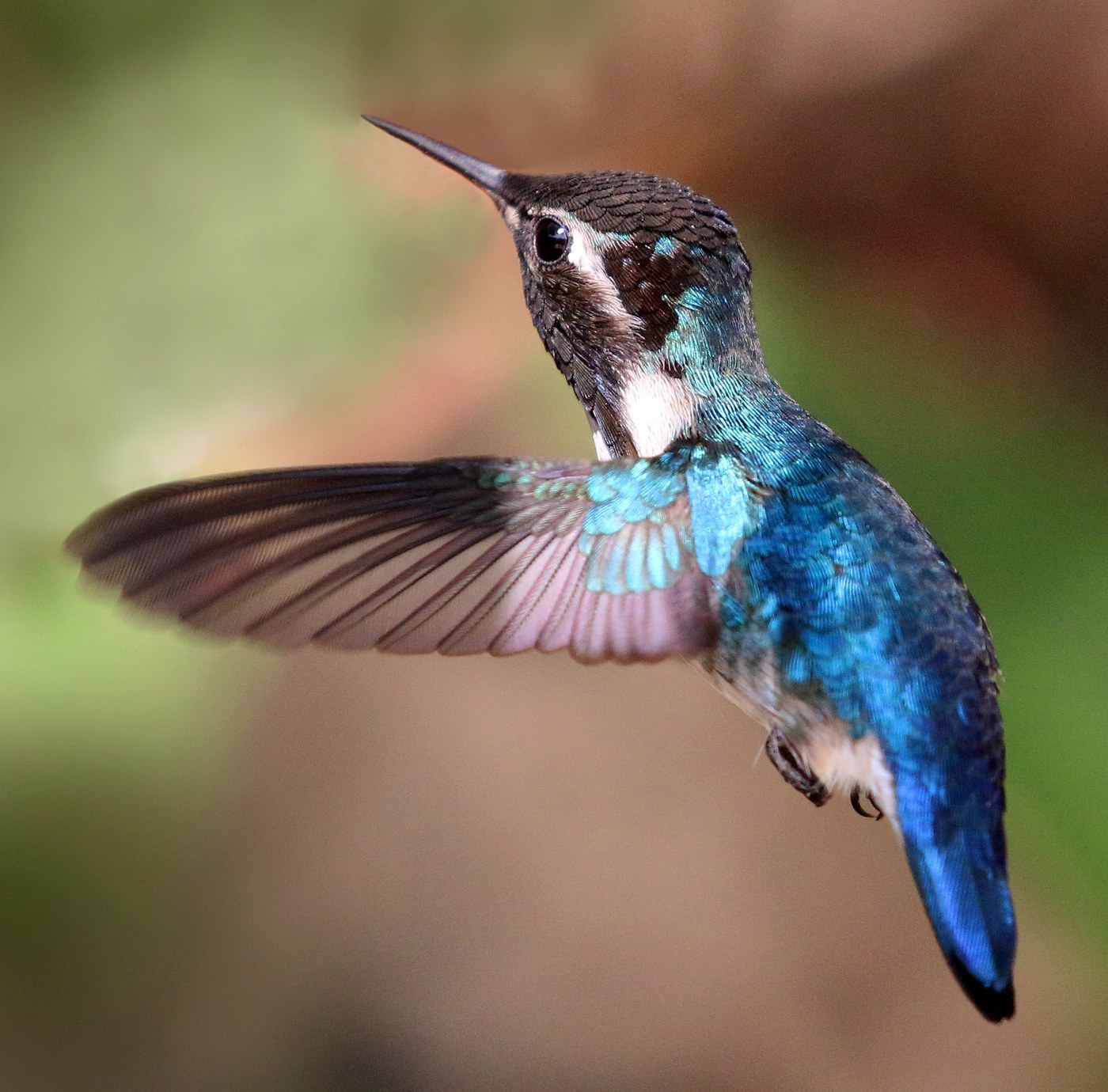
Key Field Marks
- Size & shape: The smallest bird species on Earth, measuring only about 5-6 cm and weighing around 2 grams - smaller than many insects. Compact, round-bodied, with a short, straight, needle-like bill proportionally shorter than most hummingbirds.
- Plumage (breeding male): Iridescent fiery rose-pink to reddish head, throat, and elongated throat feathers (gorget) that can look dark or blackish in poor light and flare into brilliant color in direct sun; upperparts glossy blue-green.
- Plumage (female and non-breeding male): Green above, whitish-grey below, with white tips to the outer tail feathers; lacks the pink gorget, making it much less conspicuous and easily overlooked as an insect.
- Bill: Short and straight relative to body size, adapted for probing small tubular flowers.
- Behavior: Extremely fast wingbeats (among the fastest of any hummingbird), producing a distinct buzzing hum; hovers persistently at flowers and can appear almost stationary in mid-air; highly pugnacious and will chase off much larger birds from feeding territories.
Similar Species
- Other Cuban hummingbirds (e.g., Cuban Emerald): Noticeably larger with proportionally longer bills and no pink gorget on males; size alone is the best separator once a direct comparison is possible.
- Large insects (bees, sphinx moths): At a glance the Bee Hummingbird can be mistaken for a large bee or moth due to its size and hum; look for the bill, feet, and hovering/darting flight typical of a bird rather than an insect's more erratic flight.
- Female vs. male: Females lack any pink coloration and are best told from other small green hummingbirds by range (Cuba only) and their tiny overall size.
Where & When to See
- Habitat: Found in forest edges, woodland clearings, swampy scrub, and gardens with flowering plants; favors areas with abundant small flowers for nectar.
- Range: Endemic to Cuba and the nearby Isla de la Juventud - it occurs nowhere else in the world.
- Season: Resident year-round; breeding activity and the male's fully developed, brightest gorget are most likely to be seen in the dry season (roughly November through June).
- Best viewing tips: Look near flowering shrubs and vines, especially in botanical gardens or reserves such as Zapata Swamp; patience is needed as the bird's tiny size and fast flight make it easy to miss.
Voice
- Gives thin, high-pitched squeaky and chippering notes, often delivered in a rapid series while perched or displaying.
- The wingbeat itself produces an audible buzzing hum, which is often the first clue to the bird's presence before it is visually located.
- Males may perform display flights with accompanying vocalizations near flowering territories during the breeding season.
Frequently asked questions
What is the single most reliable way to identify a Bee Hummingbird?
Its extremely tiny size (about the size of a large bee) combined with occurrence only on Cuba and Isla de la Juventud makes it unmistakable once a good look is obtained.
How do I tell a male from a female Bee Hummingbird?
Breeding males show an iridescent rose-pink to red head and throat; females and non-breeding males are green above and pale grey-white below with no pink coloring.
Could I see a Bee Hummingbird outside Cuba?
No, it is a true endemic found only in Cuba and its offshore Isla de la Juventud, so any hummingbird seen elsewhere is a different species.
Why is it easy to confuse a Bee Hummingbird with an insect?
Its minute size and audible wing-hum resemble a large bee or moth, so close observation of its bill, tiny feet, and controlled hovering flight is needed to confirm it is a bird.
When is the male's colorful gorget most visible?
The rose-pink gorget flares brightest in direct sunlight and during the breeding season display; in shade or from certain angles it can look dark or blackish.