Aves, Passeriformes, Fringillidae, Haemorhous mexicanus
House Finch
A small-bodied finch with a large beak and a long, square-tipped tail. Known for its cheerful warbling song and frequent presence at backyard bird feeders.
Explore House Finch in the encyclopedia →Identify your own birds.
Get a report just like this from any photo or call, free.
Plumage & appearance
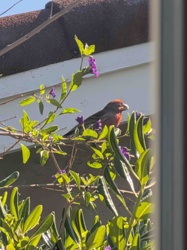
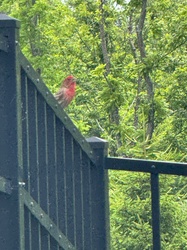
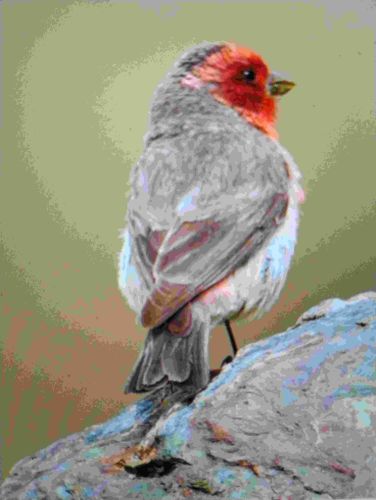
Adult males have a bright red or orange face and upper breast, with streaked brown wings, back, and tail. Females are plain grayish-brown with thick, blurry streaks on their underparts.
Ecological significance
Acts as a primary seed disperser for various plants and serves as a prey source for larger birds of prey and domestic predators.
Conservation status
Least Concern (Population is stable and expansive)
Observation tips
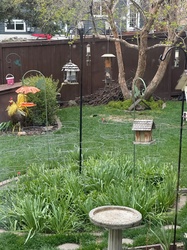
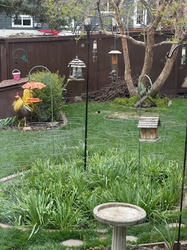
Look for them in urban and suburban areas, particularly around bird feeders, parks, and backyard gardens. They are highly social and often seen in small flocks.
More like this