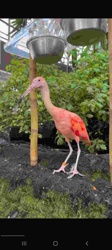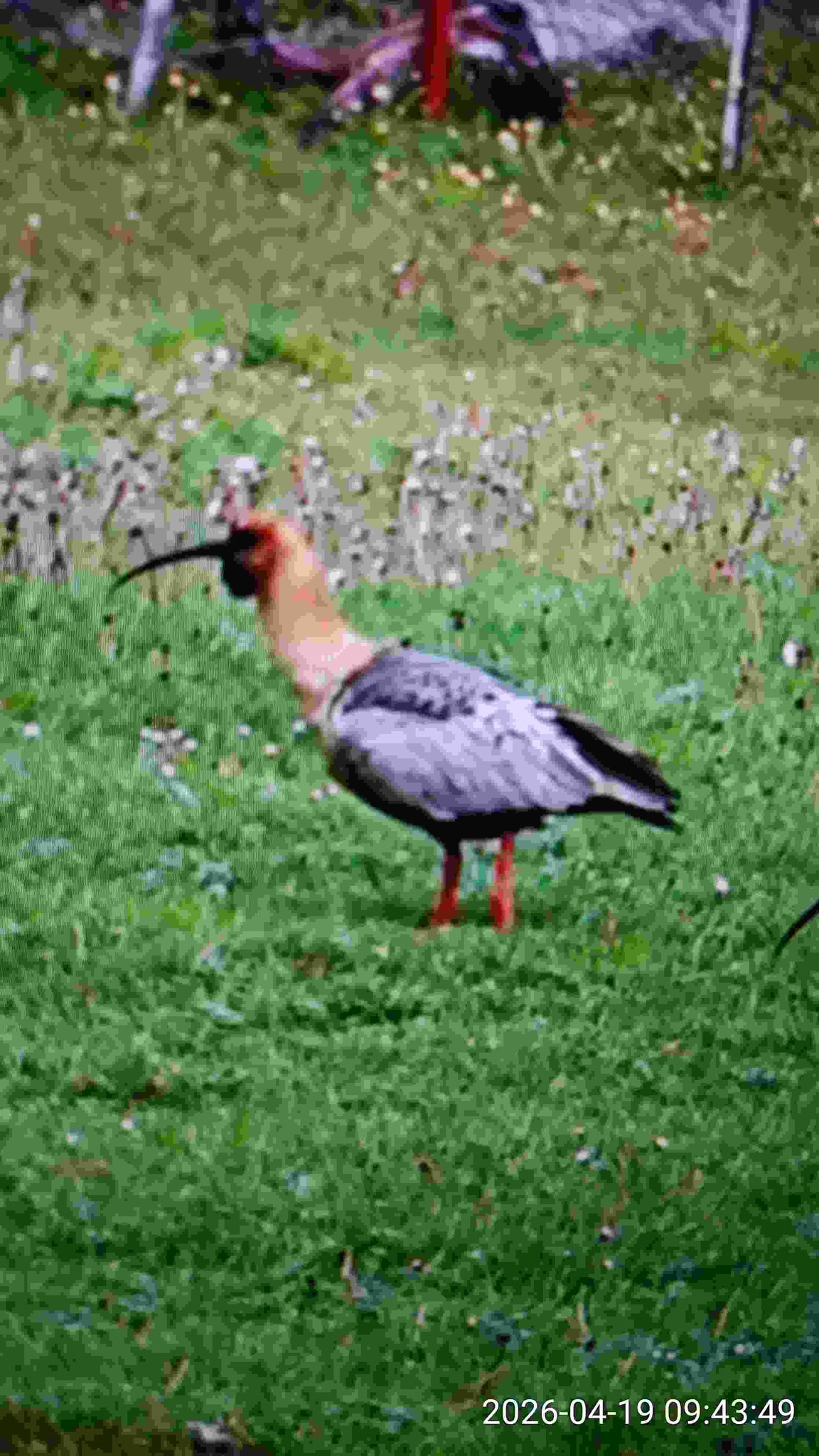
Order: Pelecaniformes; Family: Threskiornithidae
Black-faced Ibis
Theristicus melanopis
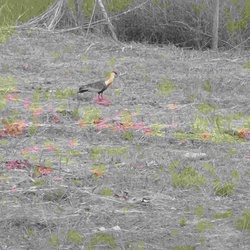
A large wading bird with a long, downward-curved bill. It is frequently seen walking on grassland rather than just wetlands, often in small groups with a distinctive upright posture.
Explore Black-faced Ibis in the encyclopedia →Identify your own birds.
Get a report just like this from any photo or call, free.
Plumage & appearance
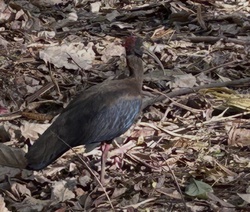
Features a buff-colored head, neck, and breast. The back and wings are grey, while the underparts and primary wing feathers are black. The face is bare and black, and the legs are reddish-pink. Sexes are similar in appearance.
Key field marks
Long decurved black bill, buffy-yellow head and neck, grey upperparts, black belly, and bare black skin on the face.
Size & weight
Length: 71-76 cm (28-30 in); Weight: approximately 1.1-1.4 kg.
Voice — call & song
Characteristic loud, metallic sounding 'honk' or 'can-can-can' calls, often heard when they are flying or taking off.
Diet & foraging
Omnivorous; consumes insects, worms, frogs, small reptiles, and occasionally small mammals. Forages by probing the ground with its long bill.
Habitat
Grasslands, pastures, fields, marshes, and sometimes open forests or rocky slopes up to high altitudes in the Andes.
Migration & movement
Resident in northern parts of its range; southern populations migrate north during the winter (austral migration).
Nesting & breeding
Nests in colonies, typically on cliffs or in trees, sometimes in reedbeds. They build stick nests and usually lay 2-3 eggs.
Similar species
Buff-necked Ibis (Theristicus caudatus), which has a more orange-buff neck and lacks the black face patch extending behind the eye, and is generally found in warmer, more tropical lowlands.
Ecological significance
Helps control insect and small vertebrate populations in grasslands and wetlands; their presence can indicate the health of varied habitats from marshes to high-altitude pastures.
Conservation status
Least Concern (IUCN); Population trend is generally stable.
Observation tips
Look for them in open fields, pastures, and near water bodies in southern South America. They are relatively habituated to humans in some areas and can be seen in city parks or road verges.
Interesting facts
Unlike many ibis species that are strictly wetland-dependent, the Black-faced Ibis is very comfortable in dry grasslands and is a common sight in the agricultural landscapes of Patagonia.
More like this