Order: Passeriformes; Family: Icteridae
Red-winged Blackbird
Agelaius phoeniceus
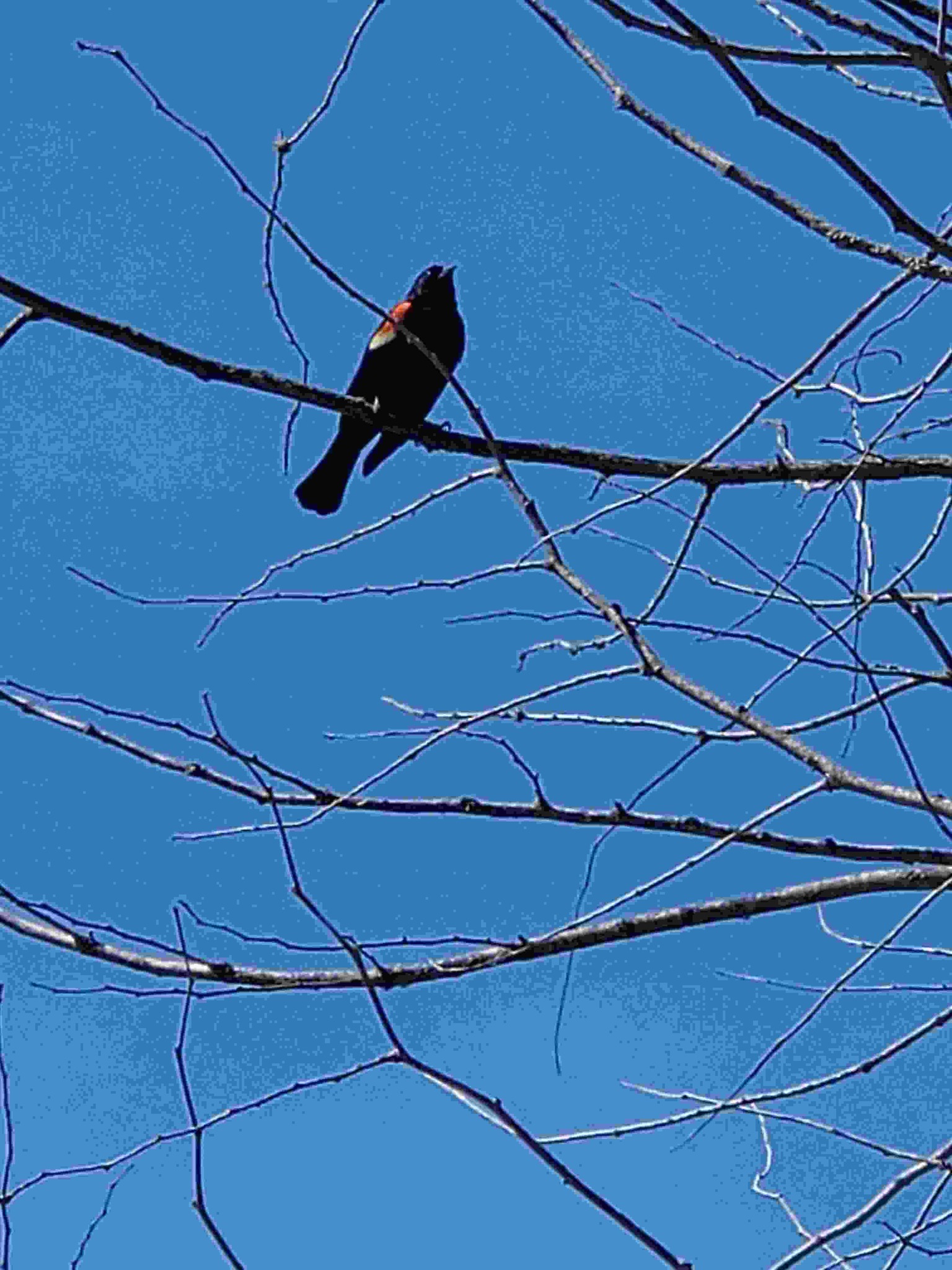
A medium-sized songbird known for its bold social behavior. Males often perch on high vegetation to sing and defend territories by flaring their red wings.
Explore Red-winged Blackbird in the encyclopedia →Identify your own birds.
Get a report just like this from any photo or call, free.
Plumage & appearance
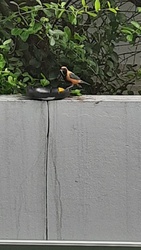
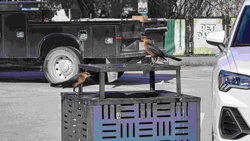
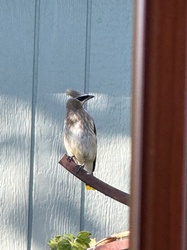
Adult males are glossy black with bright red and yellow shoulder patches (epaulets). Females are heavily streaked with brown and white, resembling large sparrows. Immature males are dark and streaky with orange-red shoulders.
Key field marks
Conical bill, glossy black body, and the signature red-and-yellow shoulder patches (epaulets).
Size & weight
Length: 17-24 cm (6.7-9.4 in); Wingspan: 31-40 cm (12-16 in); Weight: 32-77 g (1.1-2.7 oz).
Voice — call & song
A distinct, gurgling 'conk-la-ree!' song; calls include a sharp, liquid 'check' and a high-pitched 'teer'.
Diet & foraging
Mostly insects during summer (beetles, caterpillars, spiders) and seeds or grains during winter.
Habitat
Freshwater and saltwater marshes, wet meadows, hayfields, and along water-filled ditches.
Migration & movement
Resident in southern and western US; migratory in northern regions, moving south during the winter in huge flocks.
Nesting & breeding
Females build cup-shaped nests in cattails, grasses, or shrubs over water. Clutch size is 2-4 eggs. They are highly polygynous; one male may have up to 15 mates.
Similar species
Tricolored Blackbird (red patch is darker with a white border instead of yellow) and Bicolored Blackbird (lacks the yellow border).
Ecological significance
Controls insect populations and acts as a food source for larger predators; their nesting habits are indicator species for wetland health.
Conservation status
Least Concern (IUCN); population is large though experiencing some long-term declines due to habitat loss.
Observation tips
Look for them in marshes, wet roadsides, or perched on cattails. In winter, they form massive mixed flocks with other blackbird species in open fields.
Interesting facts
The male Red-winged Blackbird can spend more than half his day during the breeding season defending his territory and singing to attract mates.
More like this