Order: Passeriformes; Family: Cardinalidae
Identified from audio
Northern Cardinal
Cardinalis cardinalis
A mid-sized songbird with a distinctive crest and heavy bill. They are active, territorial, and often the first birds to visit feeders in the morning.
Explore Northern Cardinal in the encyclopedia →Identify your own birds.
Get a report just like this from any photo or call, free.
Plumage & appearance
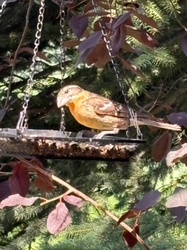
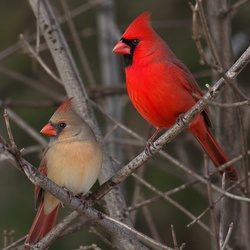
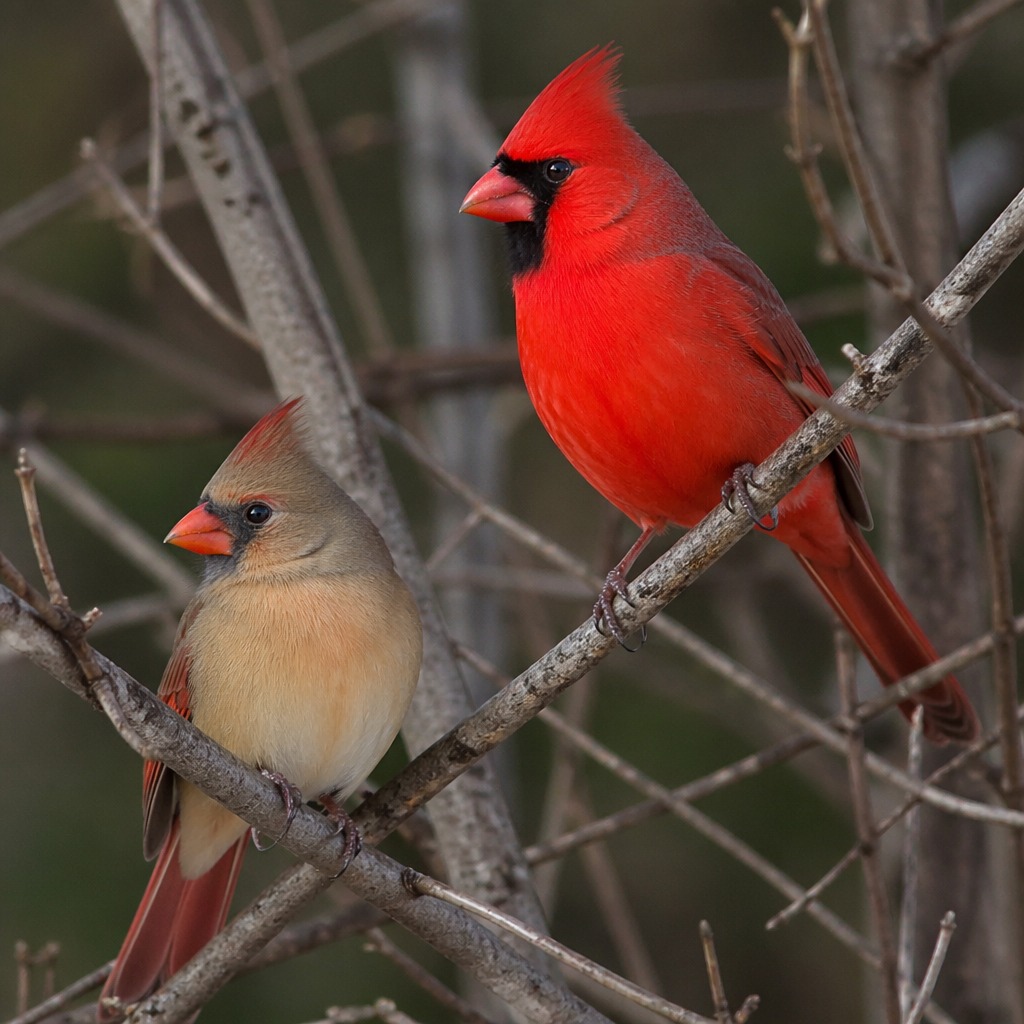
Males are brilliant red with a black mask and thick red bill. Females are pale brown with reddish tinges in the wings, tail, and crest.
Key field marks
Prominent crest, stout triangular reddish bill, and black face mask.
Size & weight
Length: 8.3–9.1 in; Wingspan: 9.8–12.2 in; Weight: 1.19–1.69 oz
Voice — call & song
The recording features a series of clear, loud whistles often described as 'cheer-cheer-cheer' or 'birdie-birdie-birdie,' often ending in a trill.
Diet & foraging
Seeds, grains, fruits, and insects.
Habitat
Woodland edges, thickets, suburban gardens, and parks.
Migration & movement
Non-migratory resident
Nesting & breeding
Open cup nests built by the female in dense shrubs or low trees; usually 2–4 broods per year.
Similar species
Pyrrhuloxia (thinner bill, greyish body) and Summer Tanager (no crest or black mask).
Ecological significance
Acts as both a seed predator and disperser; provides food for larger predators like hawks and owls.
Conservation status
Least Concern (IUCN)
Observation tips
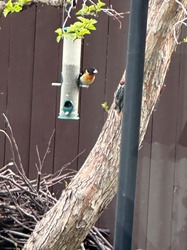
Common at backyard bird feeders, especially those offering sunflower seeds. Listen for their sharp 'chip' call in dense shrubbery.
Interesting facts
Northern Cardinals are one of the few North American female songbirds that sing, often while sitting on the nest.
More like this