Anseriformes (Order), Anatidae (Family), Cereopsis novaehollandiae (Species)
Cape Barren Goose
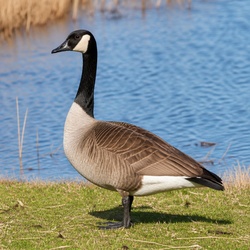
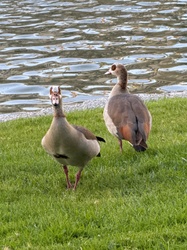
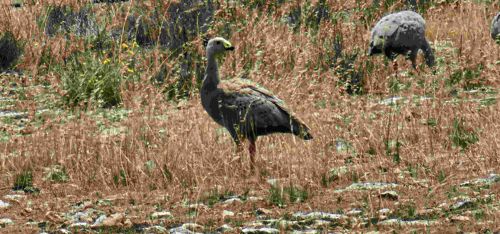
A large, bulky goose with a distinctive small head, pale grey plumage, and pink legs with black feet. Unlike many waterfowl, it spends most of its time on land.
Explore Cape Barren Goose in the encyclopedia →Identify your own birds.
Get a report just like this from any photo or call, free.
Plumage & appearance
Generally pale grey with scattered black spots on the wing coverts and scapulars. Most distinguished by a bright greenish-yellow cere (fleshy patch) covering the short black bill.
Ecological significance
As a large herbivore, it grazes on grasses and herbs, helping to maintain coastal grassland structures. It is one of the world's rarest geese and acts as a flagship species for the conservation of Australian island ecosystems.
Conservation status
Least Concern (IUCN), though populations are localized and were previously pushed to the brink of extinction.
Observation tips
Look for them grazing in open coastal grasslands, pastures, or wetlands. They are often approachable near visitor centers in National Parks like Wilsons Promontory or on Kangaroo Island, but be respectful and maintain distance.
More like this