Order: Passeriformes, Family: Corvidae
Azure-winged Magpie
Cyanopica cyanus
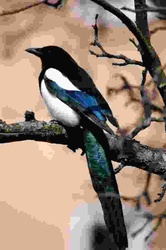
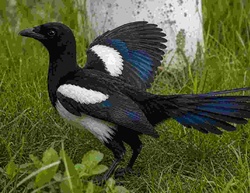
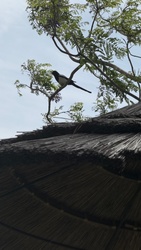
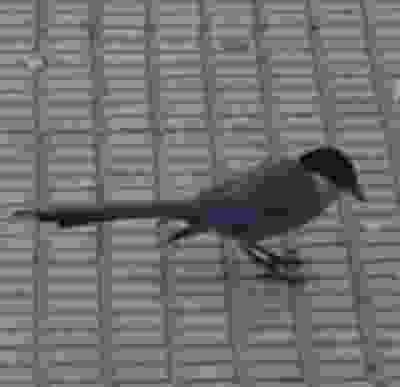
A slim, elegant corvid with a very long tail, distinctive black cap, and vibrant blue wings and tail. It is highly social, usually seen in loud, active groups.
Explore Azure-winged Magpie in the encyclopedia →Identify your own birds.
Get a report just like this from any photo or call, free.
Plumage & appearance
Glossy black cap and nape. Pale greyish-fawn or lavender-grey underparts and back. Striking azure-blue wings and a long, graduated azure-blue tail with white tips. Similar sexes.
Key field marks
Glossy black cap, extremely long azure-blue tail, blue wings, and white throat.
Size & weight
Length: 31-35 cm; Wingspan: 38-44 cm; Weight: 65-115 g
Voice — call & song
A loud, metallic 'kwreee' or 'shreep' often repeated. It also produces softer, more complex chattering in social groups.
Diet & foraging
Omnivorous; feeds on pine nuts, seeds, fruits, insects, small rodents, and occasionally scraps in urban areas.
Habitat
Coniferous and broadleaf forests, orchards, parks, and suburban gardens.
Migration & movement
Resident; they do not migrate but may move locally in response to food availability.
Nesting & breeding
Breeds in loose colonies. Nests are cup-shaped, made of twigs and moss, built in trees. Lays 6-8 eggs; communal breeding behavior is sometimes observed.
Similar species
Iberian Magpie (Cyanopica cooki) - nearly identical but found only in the Iberian Peninsula; lacked the white tail tip and has slightly different vocalizations.
Ecological significance
Acts as an important seed disperser and helps control insect populations. Also serves as a sentinel for other species due to its loud alarm calls.
Conservation status
Least Concern (IUCN); population is generally stable.
Observation tips
Look for them in noisy flocks in parks and gardens where they often forage on the ground. They are easily identified by their flight pattern and long blue tails.
Interesting facts
They exhibit high levels of social intelligence and have been observed sharing food with others, demonstrating a form of proactive prosociality.
More like this